
Sustainability has become a cornerstone of modern living, and the choices we make as consumers play a crucial role in shaping a greener future. If you’ve ever found yourself puzzled by terms like “organic cotton,” “recycled polyester,” or “Fairtrade” on product labels, you’re not alone. These words are more than just trendy buzzwords – they represent meaningful efforts to reduce environmental impact, promote ethical practices, and create a more sustainable world.
This blog serves as a guide to understanding the language of sustainability found on products. By exploring these terms, you’ll gain insight into the practices behind them and learn how to make informed, eco-conscious decisions that align with your values.
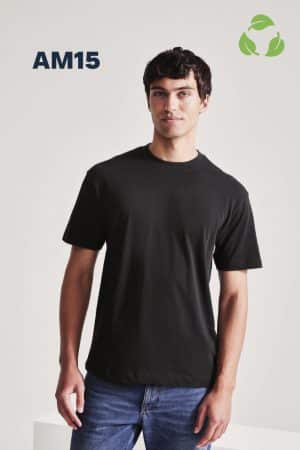
Organic cotton.
When you see the phrase ‘organic cotton’ on a label, it means that is has been grown and farmed without the use of pesticides or harmful chemicals. This farming method protects the environment, conserves soil health, and minimises exposure to toxins for both farmers and consumers. This has long-term benefits for both humanity and the planet, which is why it is often seen as more environmentally friendly compared to conventional cotton.
Recycled polyester (RPET).
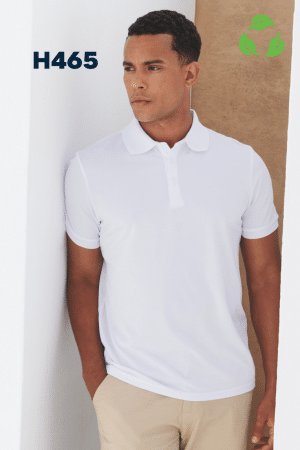
Products labelled as ‘recycled polyester’ are made by repurposing materials like plastic bottles or discarded clothing into new fibres. It’s obtained by melting down existing plastic and re-spinning it into new polyester fibre. Pre-consumer recycled content is material that has never reached the end-user, having been diverted from the waste stream during a manufacturing process, which could include waste from the spinning of yarn or the cutting of garments.
The benefits of recycled polyester include giving a second chance to materials by deferring them from landfill, and that the carbon footprint per tonne of fibre compared to virgin polyester is an estimated 32% lower.
Regenerated cotton.
This can come in two forms:
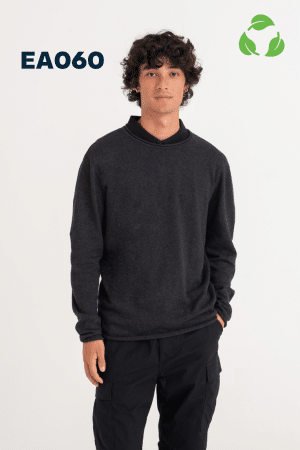
Pre consumer waste: Cotton waste from the manufacturing cutting room is recycled back into cotton which can be used in apparel production. The offcuts are sorted into different colours and are shredded down, then finely spun into yarn to make clothing. This can be done by using organic or non-organic offcuts. Either way, turning a ‘waste’ material back into something usable is a great sustainable practice.
Post consumer waste: A cotton garment that has served it’s intended use and has been discarded for disposal, having completed its life as a consumer item. Cotton waste is processed with stripping machines that break the yarns fabric into smaller pieces. The amount of energy, water and chemical products is much less than if virgin cotton had been used.
Spun-dyed.
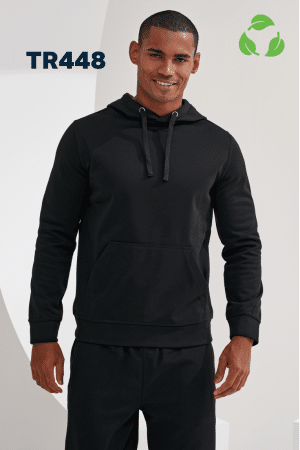
‘Spun Dyed’ or ‘Dope Dyed’ relates to the process of colour dyeing polyester. The colour dye is added directly to the polyester chips prior to them going through a heating process, where they are melted and extruded to form yarns. These yarns are then woven together to make clothing. Spun dye is in addition to using recycled polyester to cut down on the water and chemicals used to dye fabric and has reduced impact when compared to traditional methods where fabric is dyed in large vats of water and treated with chemicals if needed to dye the fabric.
Traditional/Cotton in conversion.
It takes at least three years of farming a field without pesticides to be able to classify it as organic. There are now initiatives to encourage farmers to go organic by allowing them to sell their crops while they are in the process of becoming certified as organic, and this cotton is called transactional cotton.
Certifications and Standards
When a product label includes certifications like “Fairtrade” or “GOTS,” it’s a sign of ethical and sustainable production. These certifications guarantee that the product meets stringent criteria for environmental care and worker rights.
By requiring companies to pay sustainable prices (which must never fall lower than the market price), Fairtrade addresses the injustices of conventional trade, which traditionally discriminates against the poorest, weakest producers. It enables them to improve their position and have more control over their lives.
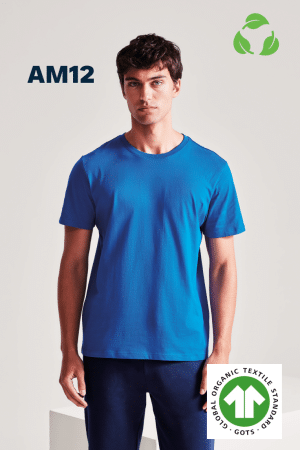
- Global Organic Textile Standard.
The aim of Global Organic Textile Standard (GOTS) is to define worldwide recognised requirements that ensure the organic status of textiles – from the harvesting of raw materials, through environmentally and socially responsible manufacturing, to labelling – to provide a credible assurance to the end consumer. - Oeko-Tex
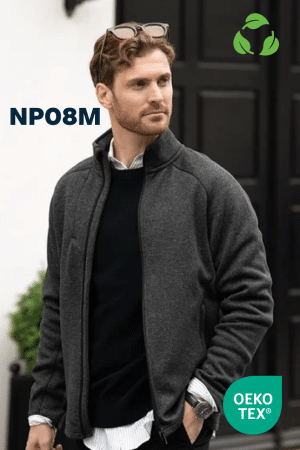
Oeko-Tex is a registered trademark, representing the product labels and company certifications issued and other services provided by the International Association for Research and Testing in the Field of Textile and Leather Ecology. Most notably known for STANDARD 100 by OEKO-TEX®, one of the world’s best-known labels for textiles tested for harmful substances. It stands for customer confidence and high product safety. - Amfori
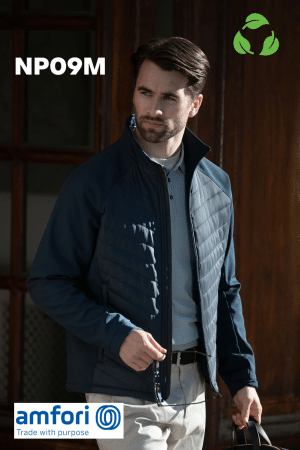
The amfori Business Social Compliance Initiative (BSCI) Audit is an industry-driven movement that aims to monitor and assess workplace standards across the global supply chain. - Sedex
SMETA (Sedex Members Ethical Trade Audit) is a social audit that assesses a site based on their organisation’s standards of labour, health and safety, environment and business ethics. Sedex believes these are key areas for assessing an organisation’s responsible business practices and meeting social compliance. - Wrap
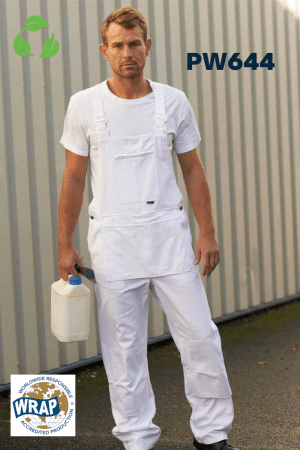
Worldwide Responsible Accredited Production, formerly Worldwide Responsible Apparel Production is an organisation whose stated aim is promoting safe, lawful, humane and ethical manufacturing around the world. It certifies factories according to twelve “Worldwide Responsible Apparel Production Principles”.
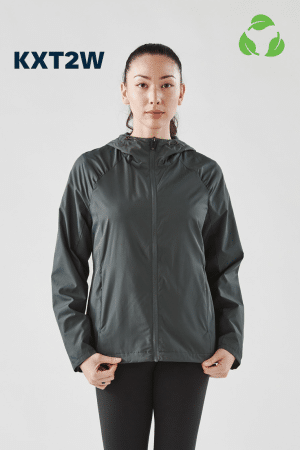
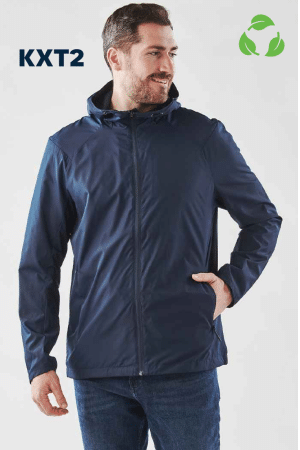
PFC-Free
Perfluorochemicals (PFCs) are a group of chemicals used to make fluoropolymer coatings and products that resist heat, oil, stains, grease, and water. They can affect both the wearer of the garment and the environment when it washes or rubs off from jackets. It has accumulated in measurable levels in snow, ice and water around the world. For some PFCs there is evidence that they cause harm to reproduction, promote the growth of tumours and affect the hormone system.
Why Understanding Labels Matters
Sustainability labels and terms serve as your guide to making eco-friendly choices. They provide transparency about the product’s journey—from raw materials to the final garment. By decoding these words, you can align your purchases with your values, supporting companies and initiatives committed to protecting the planet and its people.
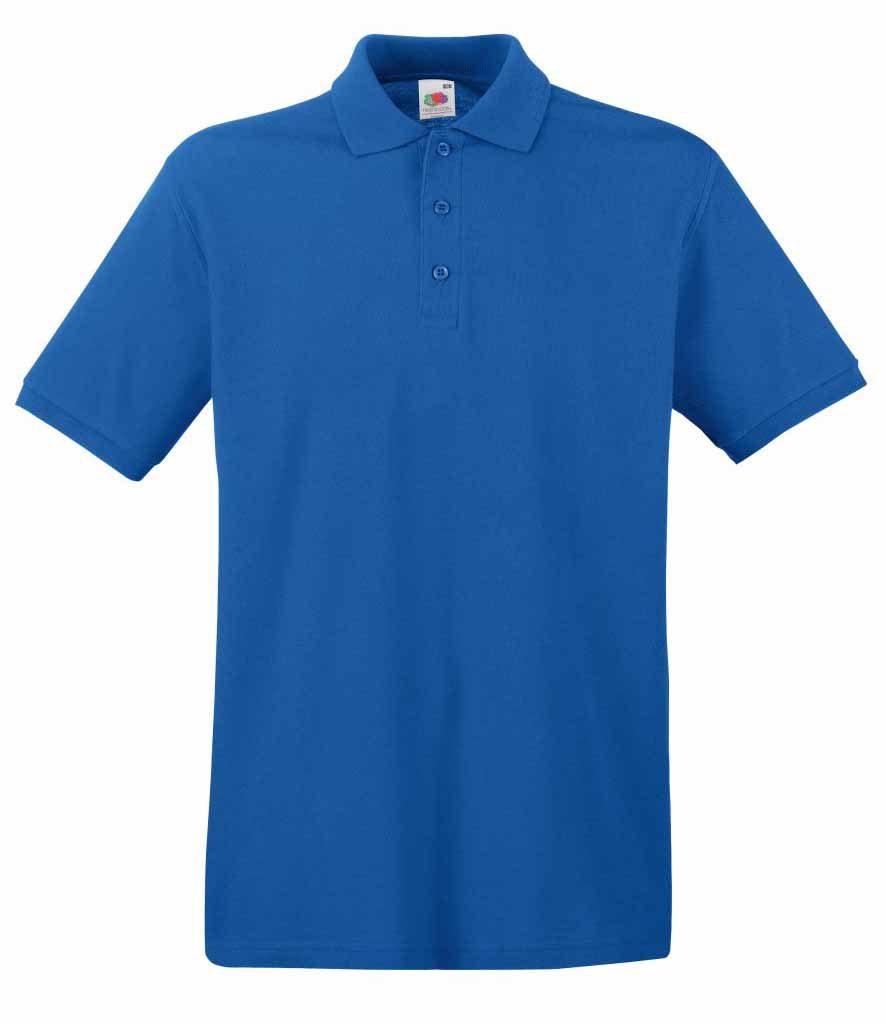
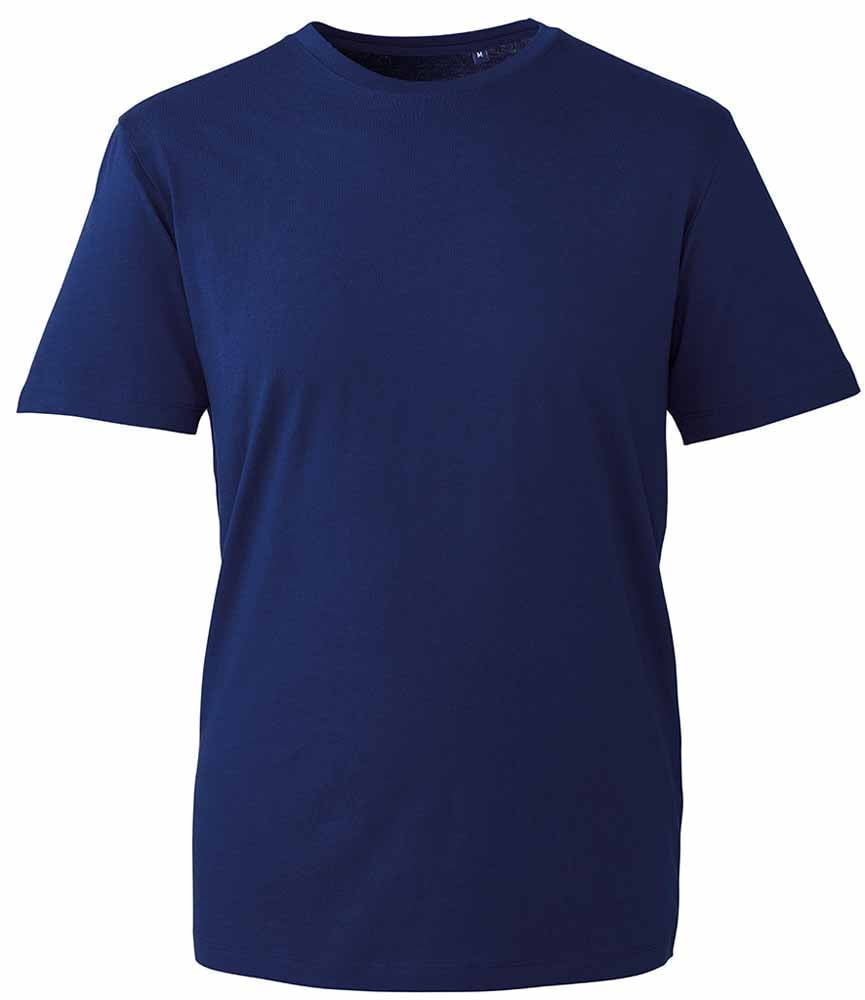
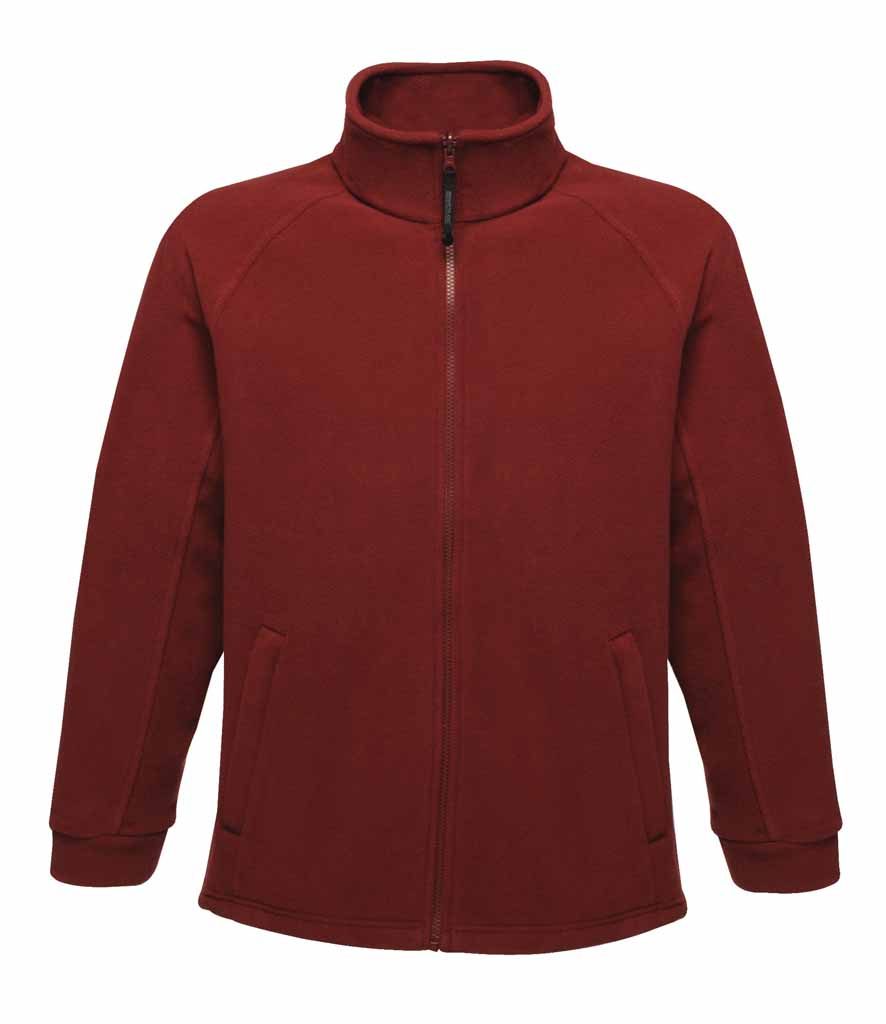
Whether you’re choosing a T-shirt made of organic cotton, a polo shirt crafted from recycled polyester, or a fleece jacket certified by Oeko-Tex, every label tells a story. Understanding these terms not only helps you shop consciously but also encourages brands to adopt more sustainable practices. Every choice you make contributes to a greener future for us all.