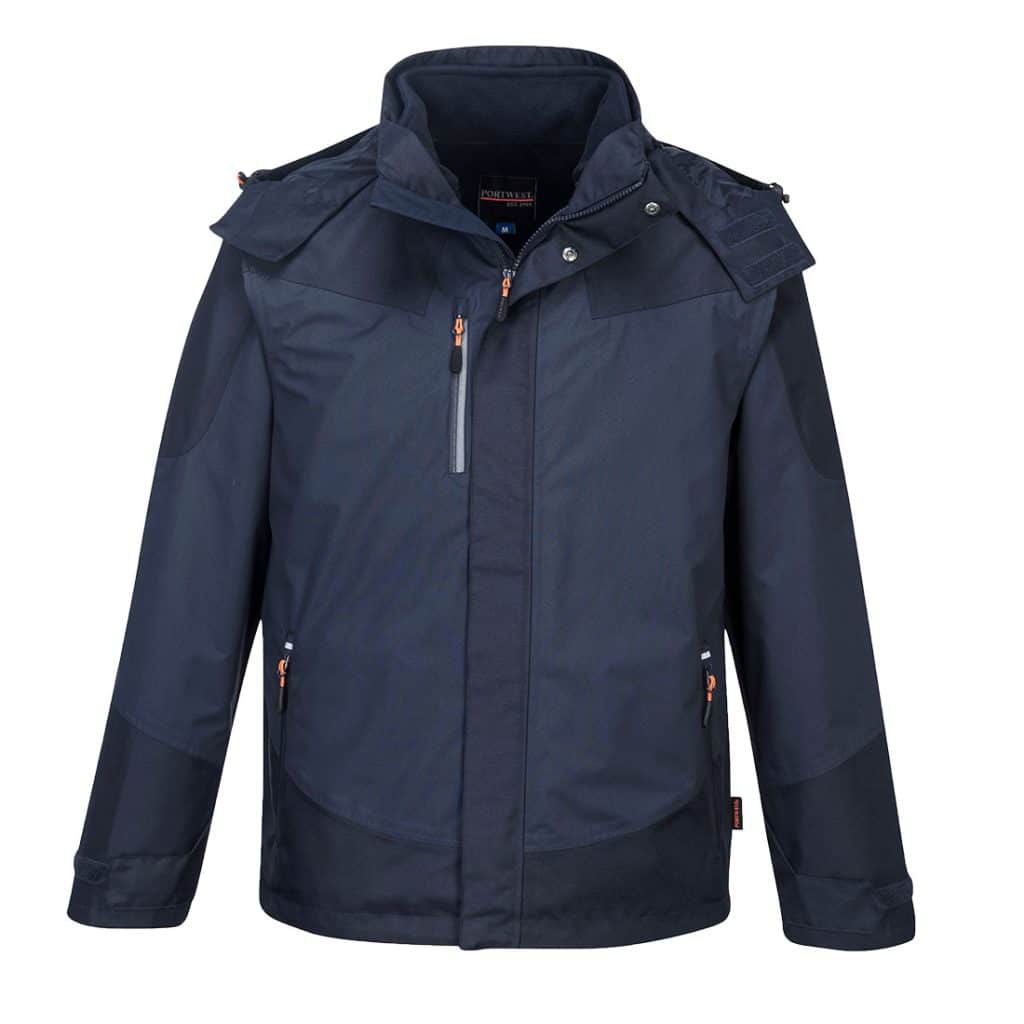
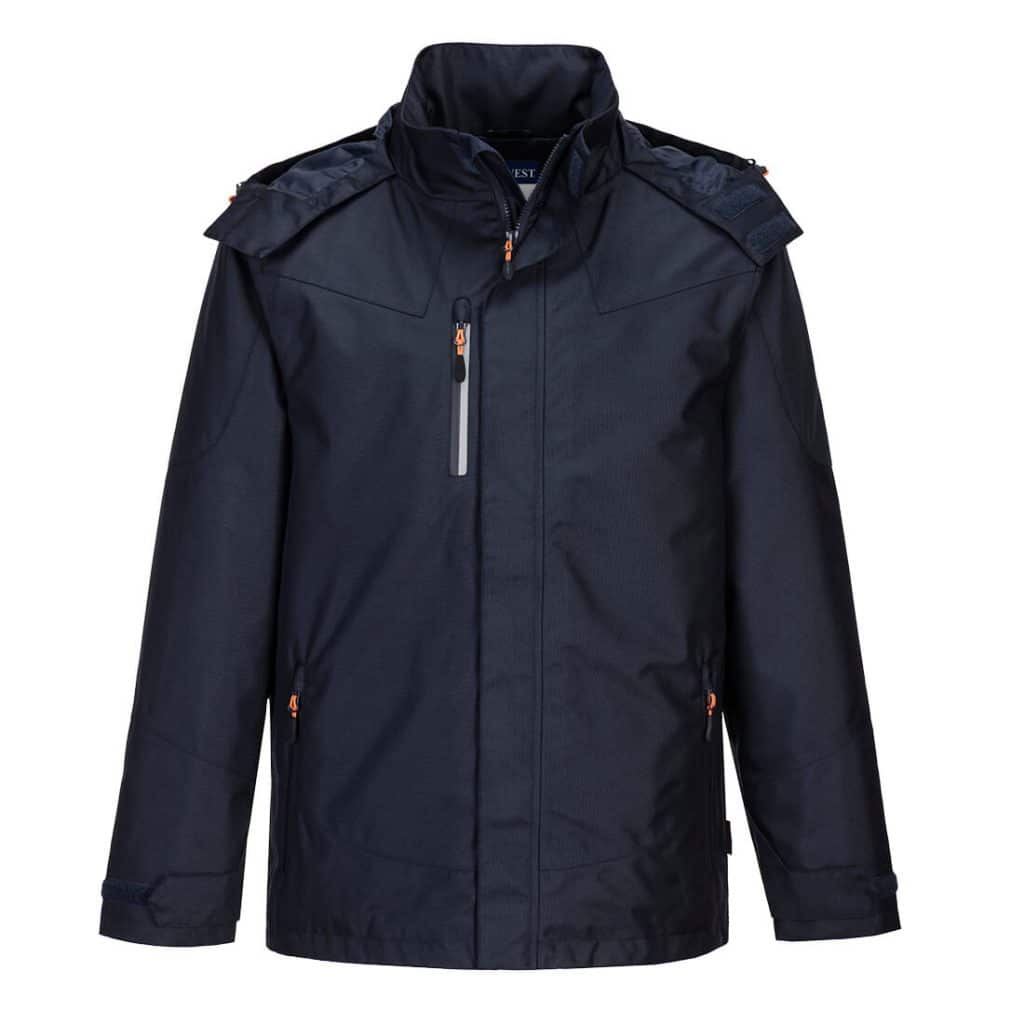
Now that autumn and winter are rolling in, staying dry outdoors is just as important as staying warm. But if you’ve ever looked at a jacket label and seen words like “waterproof”, “water-resistant” or “water-repellent”, you might wonder – what do they actually mean?
Not all outerwear offers the same protection, and knowing the difference can save you from ending up cold and damp on the job.
Here’s a clear guide to help you choose the right layer for your needs – plus some product recommendations to get you started.
Water-Resistant: Light Protection
But what does water-resistant mean?
Water-resistant fabrics are designed to resist moisture penetration to a degree. Usually treated with a light coating often DWR – Durable Water Repellent), they can handle drizzle and light showers but will eventually let water soak through in heavier or prolonged rain.
Best for:
- Jobs with limited outdoor exposure.
- Quick tasks outdoors (loading vans, site visits)
- People Moving between indoors and outdoors
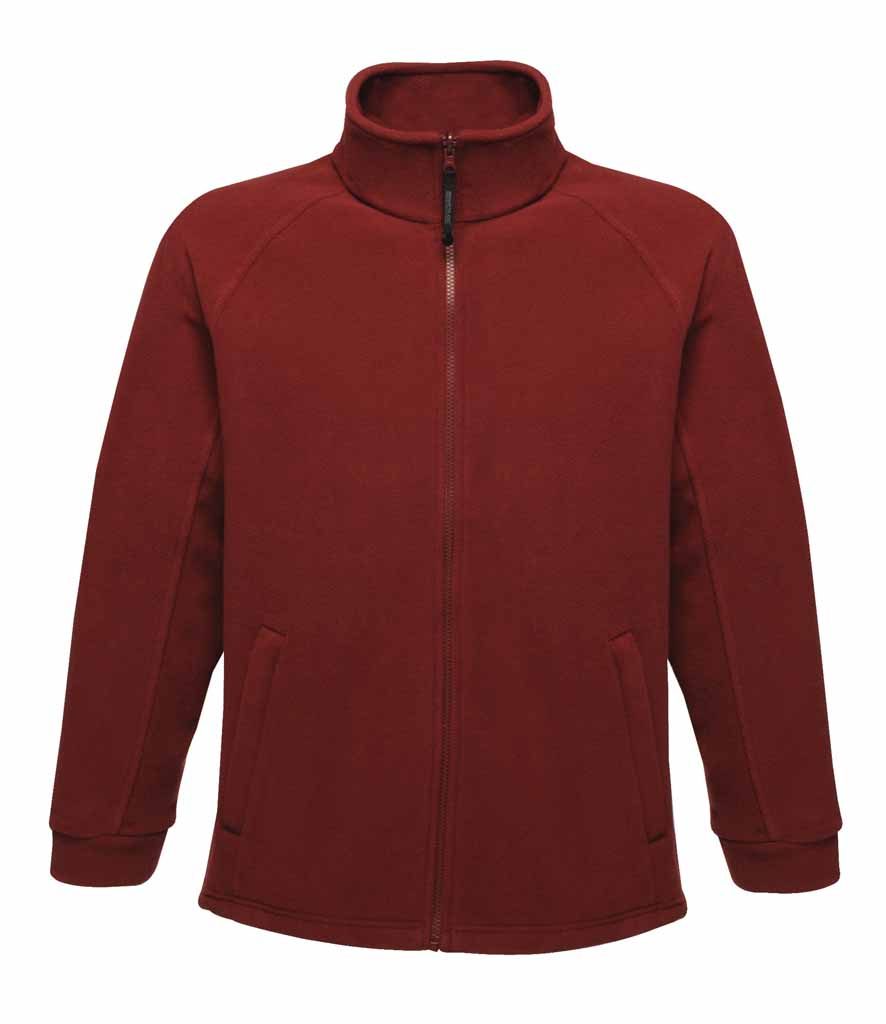
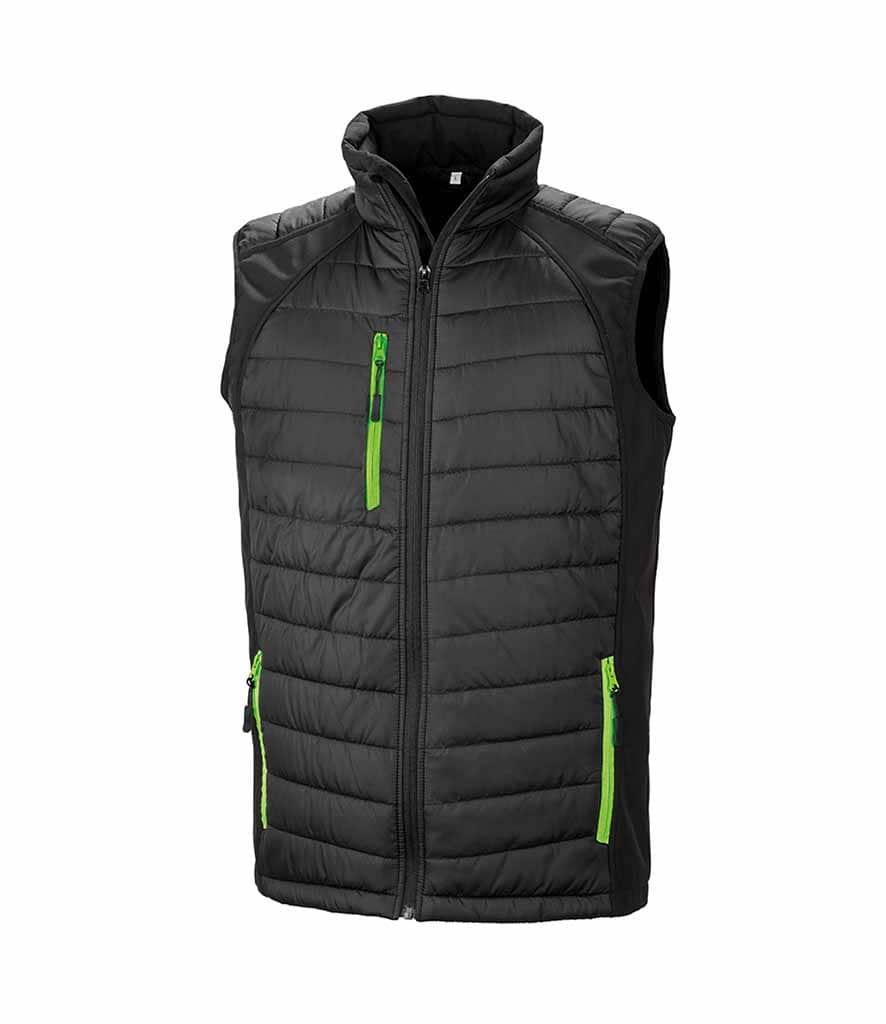
Our water-resistant picks:
What To Watch Out For:
After repeated washes, coatings can wear off.However, there are reproofing sprays that can help restore performance on the jacket.
Water-Repellent: The Midway Point
But what does water-repellent mean?
Water repellent fabrics are designed so that water beads up on the surface and rolls off, rather than soaking in. This is achieved through a stronger DWR treatment or special fabric construction. They offer better protection than water-resistant garments but aren’t fully waterproof.
Best for:
- Outdoor workers facing unpredictable showers.
- Autumn and spring conditions with light to moderate rainfall.
- Sports teams, delivery drivers and event staff.
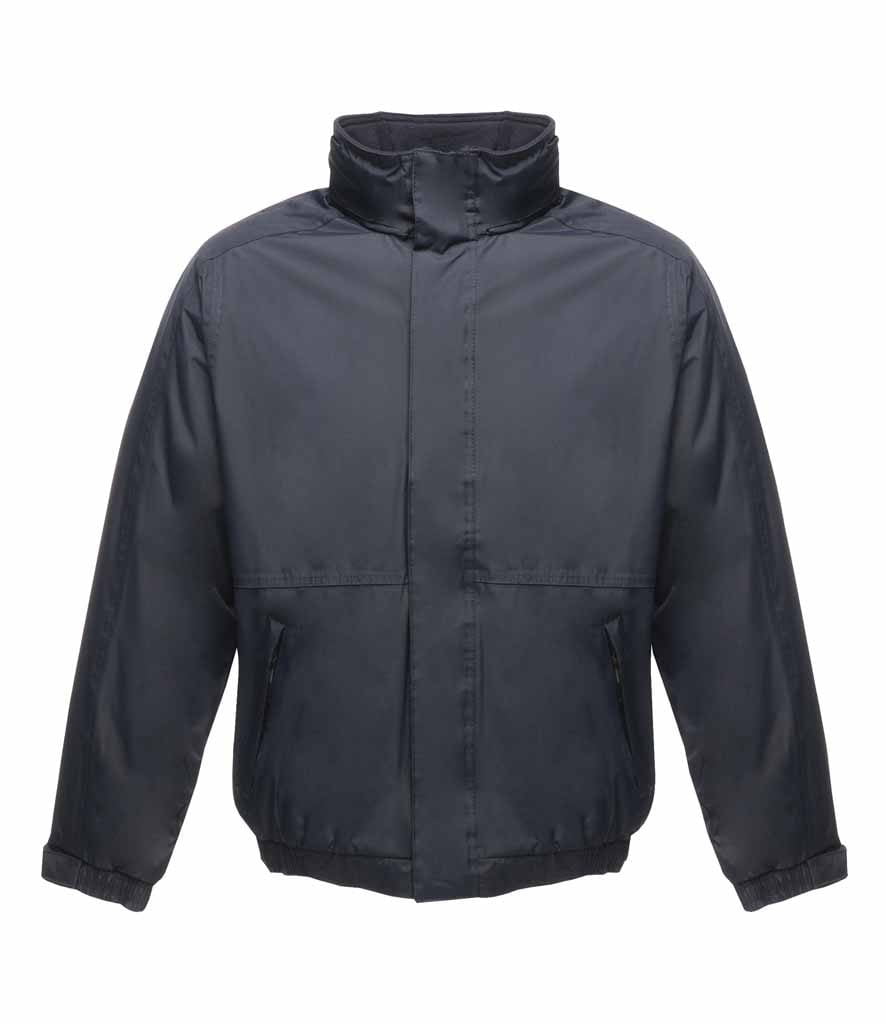
Our Water-Repellent Picks:
What To Watch Out For:
Repellent layers can eventually get wet when out in heavy or prolonged rain. So water-repellent layers work best when paired with quick-drying underlayers.
Water-Proof: The Full Defence
But what does waterproof mean?
Waterproof garments are built with a membrane or laminate that completely prevents water from passing through. They’re also designed with sealed seams, waterproof zips, and storm flaps to stop leaks at weak points. Unlike resistant or repellent jackets, waterproof jackets can withstand heavy, prolonged rain.
Best for:
- Outdoor jobs in the UK’s wettest months.
- Construction workers, maintenance crews, and security staff.
- Sports and leisure teams training in all conditions.
What To Watch Out For:
Breathability is important – a jacket may be waterproof, but without good ventilation you’ll still end up damp inside. Look for garments that balance both.
Choosing The Right Outerwear
Water-Resistant – Light protection for short showers.
Water-Repellent – Mid-level defence, water rolls away.
Waterproof – Maximum protection, sealed seams and membranes.
Layering Tip
To stay comfortable in all conditions.
- Start with a breathable base layer to wick moisture.
- Add a fleece or softshell mid-layer for insulation.
- Finish with the right outer layer – resistant, repellent, or waterproof depending on the job environment.
That way, you’re protected from both rain outside and sweat inside.
FInal Thoughts
Understanding the difference between water-resistant, water-repellent, and waterproof outerwear means you can make the right choice for your team.
- Don’t get caught out in the rain with the wrong gear.
- Match the outerwear to the conditions.
- Keep your employees comfortable, professional, and ready for any weather.