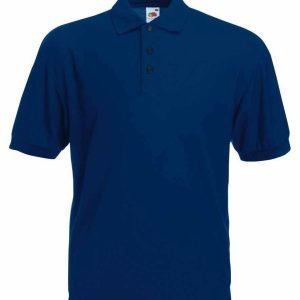
 Polo shirts
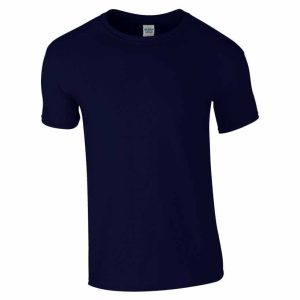 T-shirts
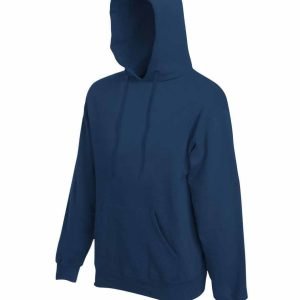 Hoodies
 Sweatshirts
 Jackets
 Hi vis
If you’ve been asked for “Class 2 hi vis” or “Class 3 for roadside work”, this page explains what that means and how to choose. It’s written from the questions we get asked most when teams order hi vis from us. The short version: the class tells you how much fluorescent and reflective material a garment has, and your risk assessment, client or site rules decide which class you need.
What EN ISO 20471 means
EN ISO 20471 is the standard for high visibility clothing used at work. It sets minimum amounts of two materials: the fluorescent background fabric (yellow, orange or red) that stands out in daylight, and the retroreflective tape that shines back in headlights and torchlight. The more of each a garment has, the higher its class.
| Class | Fluorescent background (minimum) | Reflective tape (minimum) | Typical garments |
|---|---|---|---|
| Class 1 | 0.14 m² | 0.10 m² | Hi vis t-shirts, some polos and trousers |
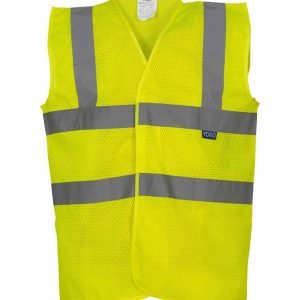
| Class 2 | 0.50 m² | 0.13 m² | Most vests and waistcoats, sweatshirts, smaller jackets |
| Class 3 | 0.80 m² | 0.20 m² | Full jackets and coats with sleeves, jacket and trouser combinations |
Class 3 gives the most visibility and is usually asked for on roads, motorways and rail, or anywhere people work close to fast traffic. Class 2 is common for car parks, yards, warehouses and deliveries. Class 1 is the lowest level and is often used as part of a combination rather than on its own.
Examples by class
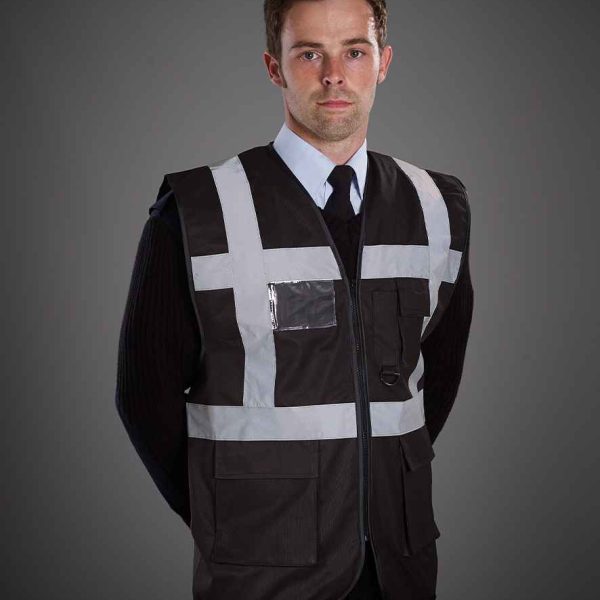
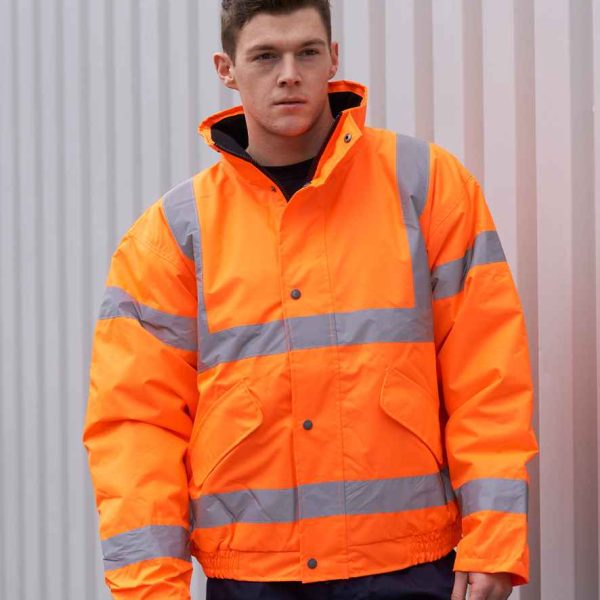
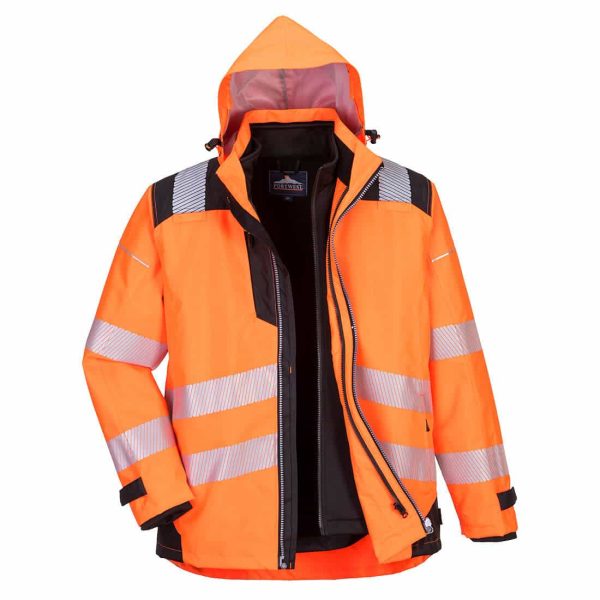
A few popular garments at each level. Every hi vis product on our site shows its class under the product name.


Class 2




Why some products show two classes
The class depends on how much material there is, so on some garments the smallest sizes reach a lower class than the larger ones. A jacket might be Class 2 in small and medium and Class 3 from large upwards. Where that’s the case, our product pages show a range such as “Class 2 to 3”. Check the product details for which sizes meet which class.
Garments can also be combined. A Class 2 jacket worn with Class 1 trousers can count as Class 3 when the manufacturer has certified them as a combination. If you’re relying on a combination, check the labels or ask us before you order.
Rail work and RIS 3279
For work on Network Rail infrastructure, hi vis also needs to meet RIS 3279 TOM, which requires orange fabric. Many of our orange Portwest garments are certified to it and say so on the product page. Yellow versions of the same garment usually aren’t.
Adding your logo
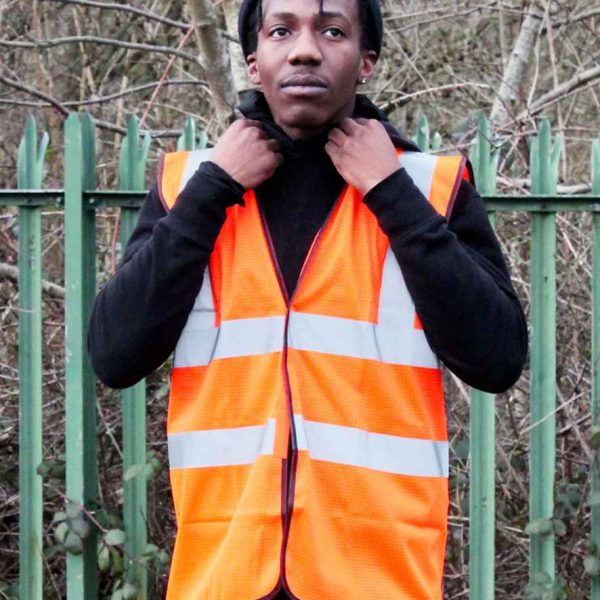
We can brand most hi vis with your company logo, by embroidery or print. We keep logos clear of the reflective tape and to a sensible size, because covering the fluorescent fabric reduces the visible area the class is based on. A logo on the left chest and a larger one across the back, between the bands of tape, are the usual positions.
Looking after hi vis
Hi vis loses its brightness and reflectivity over time. Most garments show the maximum number of washes on the care label. Once a garment is faded, torn or the tape is cracked, it’s time to replace it, even if it still looks fine indoors.
Shop hi vis by type
- Hi vis jackets
- Hi vis vests and waistcoats
- Hi vis tops, polos and sweatshirts
- Hi vis trousers and overtrousers
- All PPE and safetywear
Not sure what your team needs? Tell us where they work and what your site or client asks for, and we’ll point you to the right garments.
Shop hi vis
Not sure which class your team needs? Send us the job or site rules and we will help you choose, or call 01628 308810.