
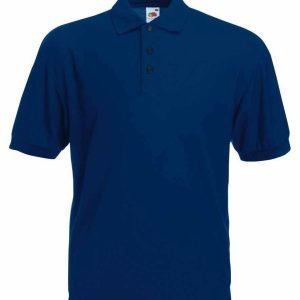
 Polo shirts
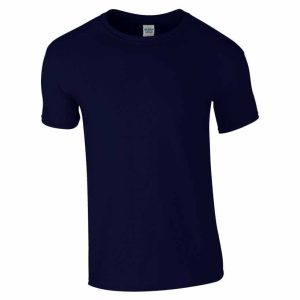 T-shirts
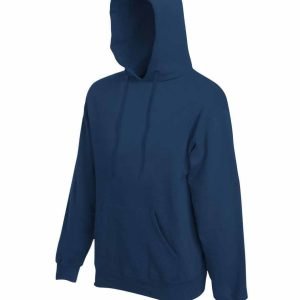 Hoodies
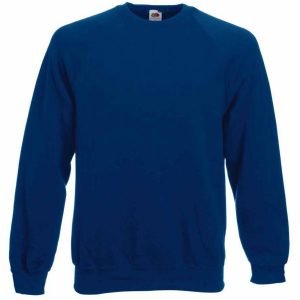 Sweatshirts
 Jackets
 Hi vis
How Workwear Pricing Really Works (And Why Single Items Cost More)

Workwear pricing can feel inconsistent, especially when you only need a small number of items. A hoodie that feels good value in a larger order can seem expensive when ordered on its own. Without explanation, that difference can feel confusing or difficult to justify.
In reality, workwear pricing follows a clear production structure. The challenge is that it’s rarely explained in a way that reflects how growing businesses actually order.
This guide explains how workwear pricing is built up, why smaller quantities cost more per item, how decoration methods affect cost, and why different pricing models (including spend-based approaches) can change how fair and predictable pricing feels over time.
Why Workwear Pricing Feels Confusing in the First Place
Most people are used to buying clothing as finished products with a clear unit price. Branded workwear works differently.
Instead of paying for a completed item off the shelf, you’re paying for a process that turns a blank garment into a branded one. That process involves preparation, setup, production, and checks, all of which exist regardless of how many items you order.
When those steps aren’t visible, pricing differences can feel confusing. Once they’re understood, costs tend to make much more sense.
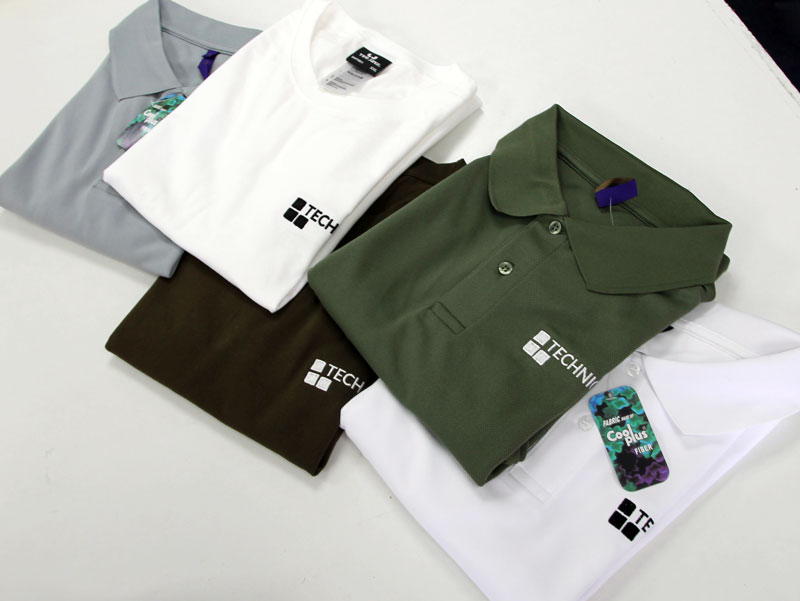

You’re Paying for More Than the Garment
When you order branded workwear, you’re not just paying for the blank item itself.
Each order typically includes:
- Artwork preparation and checks
- Machine setup
- Labour time to embroider or print
- Quality control and packing
- Delivery costs (even if it’s labelled ‘free delivery’)
These steps are required whether you order one item or one hundred. They don’t scale neatly with quantity, which is where many pricing misunderstandings begin.
This is also the key difference between ordering plain clothing and branded clothing, where decoration introduces additional time and setup.
Understanding Fixed Costs vs Variable Costs in Workwear
Workwear pricing is made up of two main types of cost.
Some costs are fixed. These include artwork checks, machine setup, and preparation. They happen once per order.
Other costs are variable. These include the garments themselves and the time it takes to decorate each item.
In larger orders, fixed costs are spread across more garments, which reduces the cost per item. In smaller orders, those same fixed costs are divided across fewer items, increasing the per-item price.
This is why small orders often feel disproportionately expensive, even though the overall process hasn’t changed.
Businesses that understand this often find it easier to plan workwear spend across the year rather than viewing each order in isolation.

Why Decoration Method Can Have a Big Impact on Price
The way a logo is applied to a garment can play a major role in pricing.
Embroidery and print each have different cost drivers, including:
- Stitch count or print coverage
- Number of colours
- Placement on the garment
- Fabric type
Two logos that look similar on screen can require very different production time once they’re on a garment. A dense embroidered logo on a thick fleece, for example, takes far longer than a simple print on a t-shirt.
This is why pricing can vary between garments, even when the logo itself hasn’t changed.
Why Single Items Often Cost More Per Unit
Single items feel expensive because they absorb a higher share of the fixed costs.
Artwork still needs checking.
Machines still need setting up.
The garment still goes through production and quality control.
When all of that is attached to one item rather than many, the per-item cost rises. That’s not a penalty, it’s simply how production works.
Once this is understood, pricing stops feeling confusing or unfair and starts feeling predictable.

How Spend-Based Workwear Pricing Differs from Traditional Bulk Discounts
Traditional bulk pricing is based on quantity per order.
The more items you order in one go, the lower the per-item cost. On paper, this makes sense… larger orders spread setup costs more efficiently.
The downside is that it often forces customers into awkward decisions:
- Ordering more than they actually need to access better pricing
- Delaying orders until quantities are high enough
- Being penalised on small but necessary top-ups
This approach works well for one-off bulk orders, but it’s less helpful for growing businesses that order workwear regularly over time.
A spend-based pricing model works differently…
Instead of looking only at how many items are in a single order, it looks at total spend across a rolling 12-month period. As customers order more over time, they move into better pricing bands, regardless of how those orders are split.
This means:
- Small top-ups aren’t unfairly penalised
- Customers aren’t pushed to over-order
- Pricing reflects the overall relationship, not a single transaction
For businesses that grow steadily, hire regularly, or place repeat orders, this spend based pricing model tends to feel more predictable and more rewarding.

What Better Workwear Pricing Understanding Looks Like
Businesses that feel more comfortable with workwear pricing usually share a few traits.
They understand that pricing reflects process, not just products.
They expect small orders to carry a higher per-item cost.
They plan workwear spend across months rather than reacting order by order.
This doesn’t mean ordering in bulk unnecessarily. It means understanding where value comes from and avoiding surprises.
Frequently Asked Questions
Why does workwear cost more in small quantities?
Is embroidery always more expensive than print?
Why do similar logos have different prices?
Can workwear costs be planned more effectively?
How our pricing works
Our standard pricing is spend-based, so reorders and top-ups across the year all count towards better prices. See how pricing works for larger teams, or if you’re ordering for just a few people, start with a ready-made kit.