
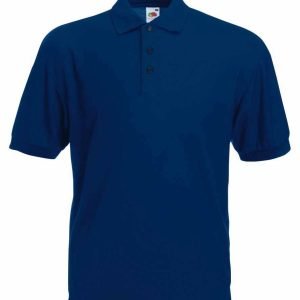
 Polo shirts
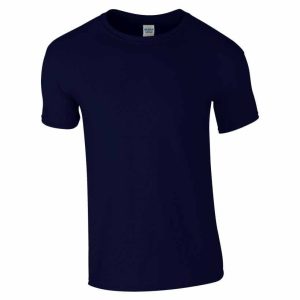 T-shirts
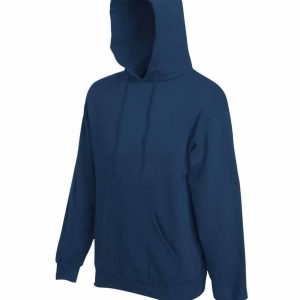 Hoodies
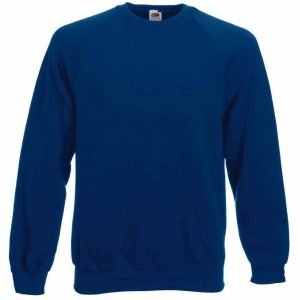 Sweatshirts
 Jackets
 Hi vis
Who Pays for Workwear and PPE? A Plain-English Guide for UK Employers
If it’s PPE, the employer pays. No exceptions, and no deductions from wages. If it’s uniform, the law gives you more room, but most of the companies we kit out pay for all of it anyway, and the few that involve staff do it through optional extras rather than taking money out of anyone’s pay.
The part that trips people up is working out which is which. A branded fleece and a hi vis jacket can arrive in the same box with the same logo on, and still sit under completely different rules.
PPE: the employer provides it, and can’t charge for it
Personal protective equipment is anything worn to protect someone from a risk at work: hi vis jackets, hi vis vests, safety boots, hard hats and bump caps, gloves, eye protection. You’ll find all of it in our PPE and safetywear range. If your risk assessment says a role needs it, you provide it free of charge. The HSE’s guidance on the PPE regulations puts it plainly: you cannot charge workers for PPE they need to do their job.
Since 6 April 2022 that duty has covered “limb (b)” workers as well as employees. In practice that means people on a more casual footing: irregular shifts, work they can accept or turn down, holiday pay but not the full set of employment rights. Genuinely self-employed contractors aren’t included. You also have to keep PPE in good condition and replace it when it’s worn or damaged, so a hi vis vest with cracked tape is your cost to replace, not theirs.
Your logo doesn’t change any of this. If the hi vis is there because the job is near traffic or moving vehicles, it’s PPE, branded or not. Which class it needs to be comes from the same risk assessment, and we’ve explained the classes in our hi vis classes guide. If you’d rather not wear a vest over a polo, hi vis polo shirts are another option, and they still count as PPE where the risk assessment calls for them.
Who pays? A quick check for each item
Go through your kit list one item at a time. Plain-English summary, not legal advice.
Yes: it’s PPE
Hi vis, safety boots, gloves, hard hats.
The employer provides it free, keeps it in good condition and replaces it. No charges and no deductions, for employees or limb (b) workers.
No: it’s uniform
Branded polos, fleeces, shirts, softshells.
Usually the employer pays. Staff can be asked to contribute only if it’s agreed up front and never takes their pay below the minimum wage.
Uniform: more room, with one firm limit
Uniform is the kit that represents your business rather than protecting anyone: branded polo shirts, fleeces, smart shirts and blouses, softshell jackets. There’s no law saying the employer must pay for it, so in theory you can ask staff to contribute.
The limit is the minimum wage. GOV.UK’s guidance for employers says that anything a worker buys for the job and isn’t refunded for, uniform included, comes off their pay when you check it against the minimum wage. So for anyone paid at or near the minimum rate, charging for uniform can quietly put you in breach, and the shortfall has to be paid back. Any deduction also needs to be agreed in advance, normally in their contract.
| PPE | Uniform | |
|---|---|---|
| What it’s for | Protecting against a risk at work | Representing your business |
| Examples | Hi vis, safety boots, gloves, hard hats | Polos, fleeces, shirts, softshells |
| Who pays | The employer, always | Usually the employer |
| Can staff contribute? | No | Only if agreed up front and pay stays at or above the minimum wage |
| Replacing worn items | Employer’s duty | Up to your policy |
What our customers actually do
Most of the companies we supply pay for everything, PPE and uniform alike. We don’t often see staff paying for their kit, and I can see why: the money involved is small next to the admin of taking it out of wages and the goodwill it costs.
Where staff do pay, it’s for extras. On our uniform ordering portals we’re often asked to set things up this way: each person gets an allocation of items paid for by the business, and anything over and above that, or bought later on, they can order and pay for themselves. The core kit stays free, nobody’s wages are touched, and the person who wants a third fleece can have one without anyone signing off a purchase order.
For bigger teams, it helps to set the allocation per role rather than per head, so the warehouse team’s PPE and the office team’s polos are sorted from the start. Our large teams page explains how we set that up, and safetywear and PPE bundles are an easy way to give each person the same starting kit.
Write it down before anyone asks
Most arguments about who pays for what happen because nobody wrote it down. A one-page uniform policy settles it before it comes up:
- which items are PPE and which are uniform, by role
- what each person gets when they start, and how many of each
- how replacements work, and who to ask
- whether anything is ever charged for, and how
- what happens to the kit when someone leaves
We’ve written a free uniform policy template that covers all of this, with PPE kept separate from uniform and deduction wording that stays on the right side of the minimum wage rules. It opens in Word or Google Docs, no sign-up.
The new starter part matters more than people expect. If kit is only ordered once someone has started, they spend their first weeks in their own clothes. MCFT get their uniforms ready before day one, and the same thinking is behind how growing teams stop reordering from scratch. If your current setup is a stream of small top-up orders, the hidden costs of just topping up is worth five minutes too.
If you’d like a hand splitting your kit list into PPE and uniform, send us the roles and roughly how many people are in each and we’ll come back with a suggested kit per role. Or book a call and talk it through.
This is a plain-English summary, not legal advice. The rules can change, so check the HSE and GOV.UK pages linked above, or speak to an employment adviser about your own situation.