
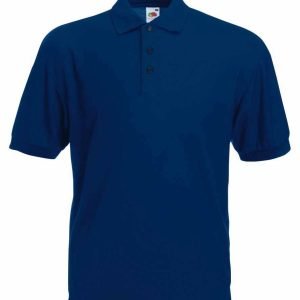
 Polo shirts
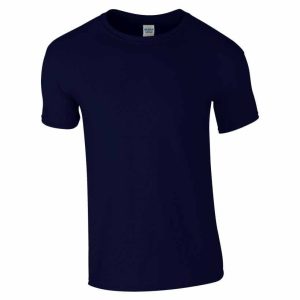 T-shirts
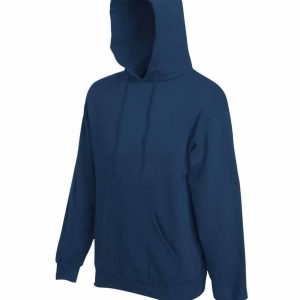 Hoodies
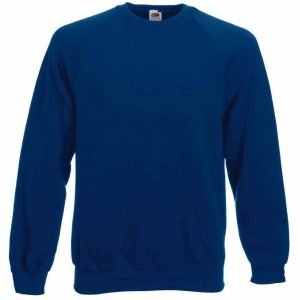 Sweatshirts
 Jackets
 Hi vis
4 Colour Print vs Full Colour Print: What’s the Difference?
Usually, they’re the same thing. In most printing, 4 colour means CMYK: cyan, magenta, yellow and black inks laid down as tiny dots that blend into almost any colour. That’s what people mean by full colour. The confusion comes from screen printing, where 4 colour can mean four separate solid inks, known as spot colours.
Which one you need depends on your logo. If it has gradients, shadows or a photo, you need full colour. If it’s a few flat, defined colours, either can work. Here’s how each one works, and how we put logos onto workwear here in Maidenhead.
What 4 colour (CMYK) printing means
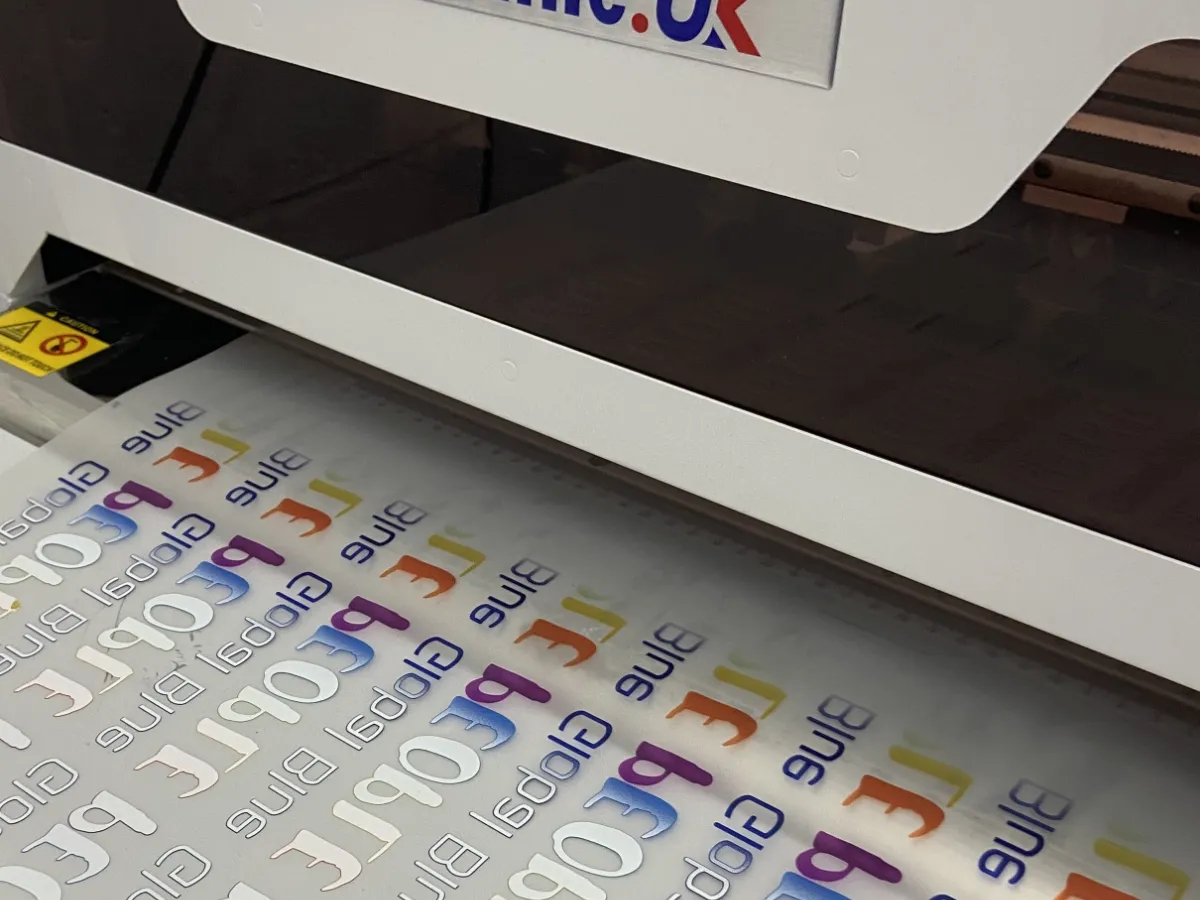
CMYK stands for cyan, magenta, yellow and key (black). The printer lays these four inks down as tiny dots, and your eye blends them together. Change the size and mix of the dots and four inks become thousands of colours, including gradients, soft shadows and photos. It’s how your office printer works, and it’s why 4 colour process, CMYK and full colour usually mean the same thing.
Some printers add extra inks to widen the range. A DTF printer, like ours, adds white, so colours stay bright on a black or navy garment instead of sinking into it.
What spot colour printing means
Spot colour works the other way round. Each colour in your logo is mixed as its own ink, often matched to a Pantone reference, and printed as a solid block. A logo with four colours needs four inks, and in screen printing that means four separate screens. That’s the other thing people mean by a 4 colour print.
Spot colours give strong, flat brand colours, and screen printing can work out well on big runs of one design. But every extra colour adds another screen and set-up, and a spot colour print can’t do a smooth gradient or a photo. If you need an exact brand colour, our guide to Pantone matching explains the options.
Full colour (CMYK)
Any number of colours
Gradients, shadows and photos
Very bright brand colours can shift slightly
Best for detailed or colourful logos
Spot colour
One ink per colour
Solid, exact colours
No gradients or photos
Best for simple logos on big runs
Embroidery
One thread per colour
Gradients become solid steps
Hard-wearing, premium finish
Best for polos, jackets and fleeces
How we print logos on workwear
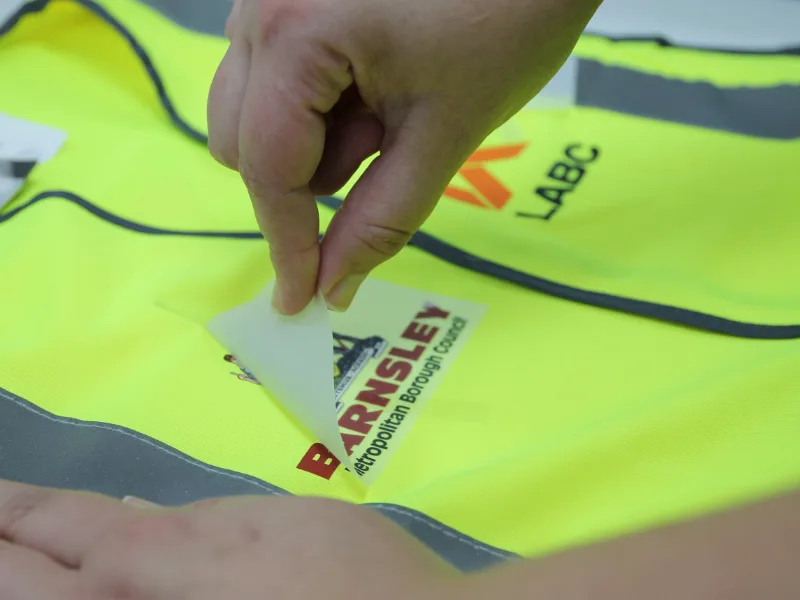
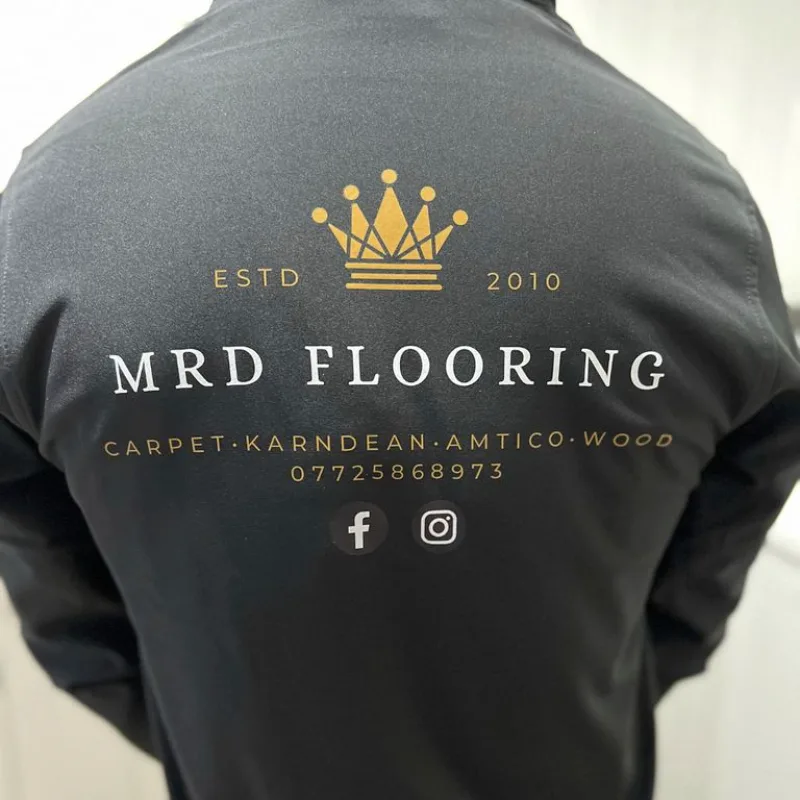
We print with DTF (direct to film) in our own workshop. Your logo is printed in full colour onto a film, coated with an adhesive powder, then heat pressed onto the garment. Because it’s a full colour process, a logo with ten colours or a gradient goes through the printer exactly like a one-colour logo. It works on cotton, polyester and blends, from t-shirts and hoodies to hi-vis and softshells.
As a rule of thumb, we suggest embroidery on polos, jackets and fleeces, and print on t-shirts, hi-vis and the backs of garments where a bigger logo is needed. For more on the options, see the different ways to print t-shirts and the best print method for budget t-shirts. Our printed workwear page has more on how we print, and the step-by-step guide to putting your logo on clothing covers the whole process.
Gradients, glows and fine detail
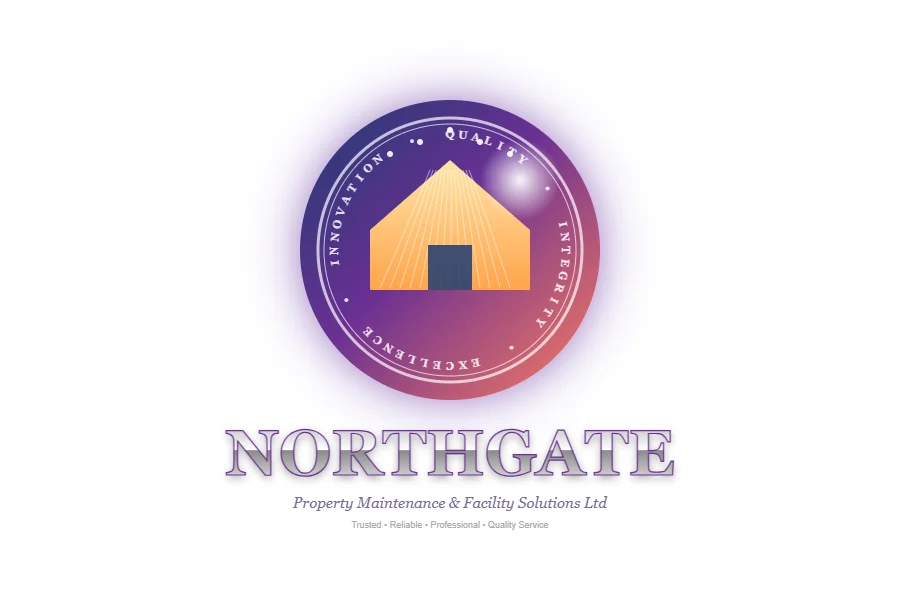
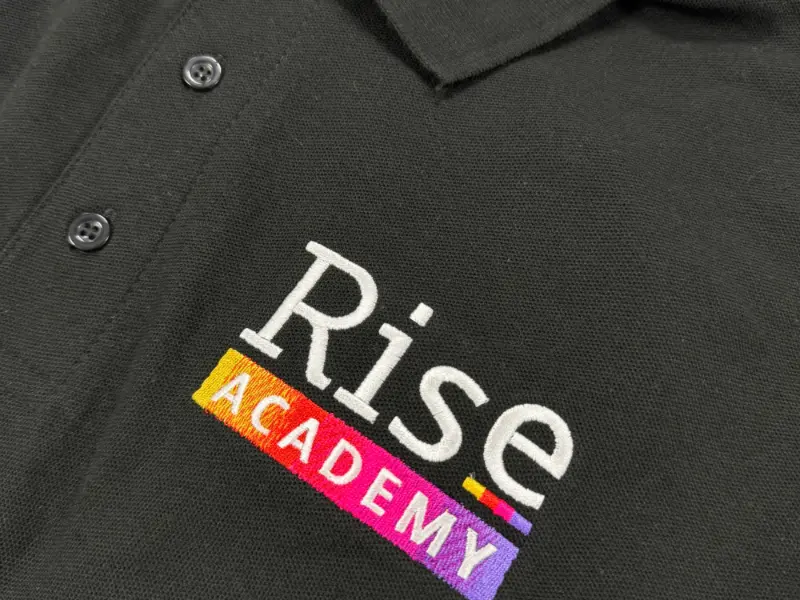
Logos made in design apps or with AI tools often have soft gradients, glows and fine lines. In print, that’s fine, DTF handles it. In embroidery, each colour is a separate thread, so a gradient has to become solid steps of colour, and very small text can fill in. If your logo is like this, we’ll send you a visual before anything is made, and suggest a simpler version for embroidery if it needs one.
Which should you choose?
- Gradients, shadows or a photo: full colour print.
- Two or three flat colours: print or embroidery, whichever suits the garment.
- An exact brand colour that has to match every time: give us the Pantone reference, and we’ll match it as closely as the method allows.
- Not sure: send us the logo and we’ll tell you.
Whatever you choose, send the best version of your logo you have. A vector file is ideal for print, and helpful for embroidery, though we can work from a good image too.
Common questions
Is 4 colour printing the same as full colour printing?
Usually, yes. 4 colour process (CMYK) blends cyan, magenta, yellow and black dots into full colour. The exception is screen printing, where 4 colour can mean four separate spot colour inks.
What does CMYK stand for?
Cyan, magenta, yellow and key. Key is the black ink, which adds depth and sharp detail.
Can you print a gradient or a photo on workwear?
Yes, with a full colour method like DTF. Embroidery can’t reproduce a smooth gradient, so it’s stitched as solid steps of colour instead.
Will my print match my brand colours exactly?
Very close, but CMYK can’t reach every colour. Very bright oranges, greens and blues, and metallics, are the usual problem. Give us your Pantone references and check the visual before you approve it.
Do more colours mean more set-up?
With screen printing, yes, because each colour needs its own screen. With DTF, every logo is printed in full colour in one pass, so extra colours don’t add screens or set-ups.
Not sure which suits your logo? Send it with a quote request and we’ll tell you, or call us on 01628 308810.