
 Polo shirts
 T-shirts
 Hoodies
 Sweatshirts
 Jackets
 Hi vis
Every hi vis product on our site now shows its class
The clocks have gone back, so plenty of people now start and finish their shift in the dark. It’s when we get the most hi vis questions, and the most common one is some version of “my client says we need Class 2, is this one Class 2?”
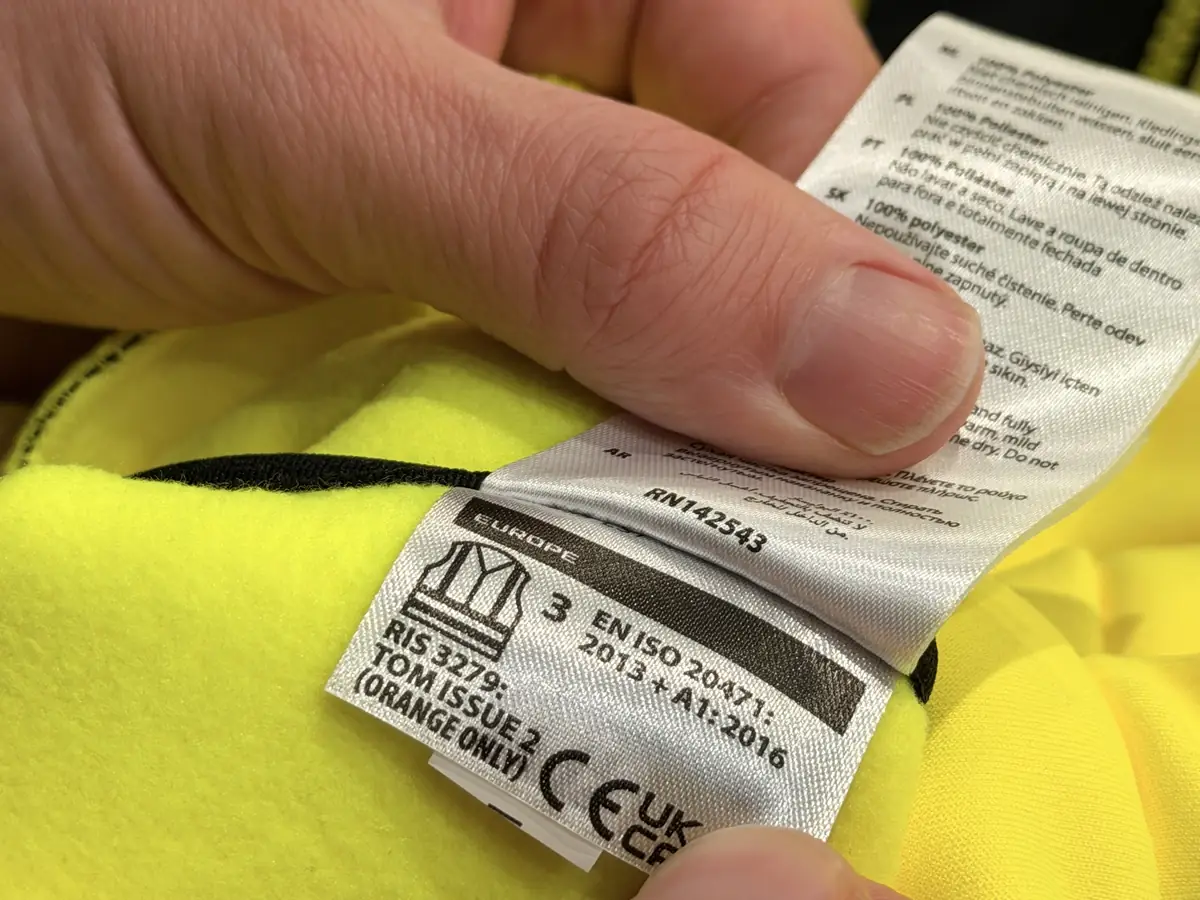
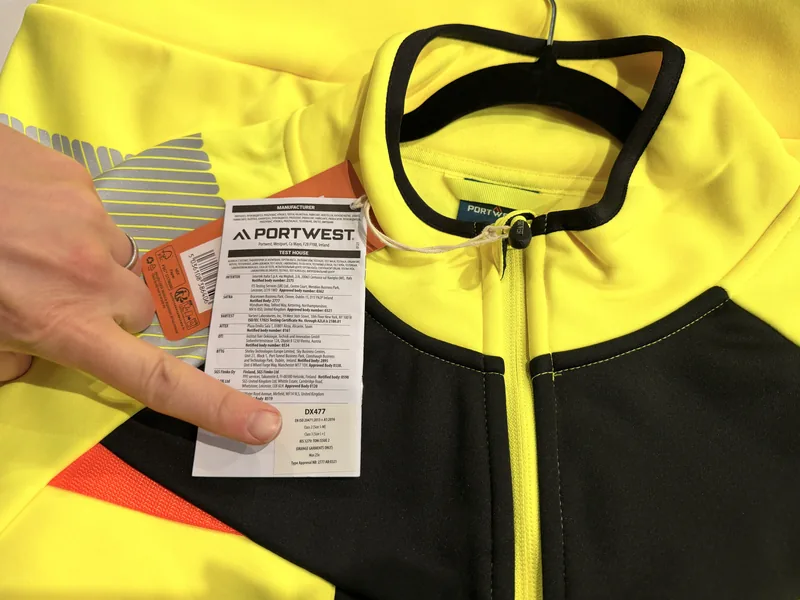
Until recently you had to dig through the product description to find out. Now every hi vis garment on our site that’s certified to EN ISO 20471 shows its class on the product page, with a badge on the product cards, and you can filter any hi vis category by class.
What the class tells you
The class is about how much hi vis material the garment has. EN ISO 20471 sets minimum areas of fluorescent fabric (the bright yellow or orange you see in daylight) and reflective tape (the bands that light up in headlights). Class 3 has the most, Class 1 the least.
Which class you need isn’t up to us, or you. It comes from your risk assessment, your client or the site rules. Roadside and rail work usually means Class 3; yards, car parks and warehouses are often Class 2. The full table, with minimum areas and examples, is in our hi vis classes guide.
Why some badges show a range
A garment’s class can change with the colour you pick, and on some garments with the size. A good example is the PRO RTX hi vis waistcoat:
One waistcoat, three answers
The PRO RTX waistcoat we sell shows “Class 1 to 2” on its badge. This is why.
Class 2
Hi vis yellow or orange
All fluorescent fabric, so it meets the bigger area needed for Class 2.
Class 1
Two-colour versions
Less fluorescent fabric, so the class drops a level.
Not hi vis
Navy, red, black and the other solid colours
Same waistcoat shape, but not certified, so not PPE.
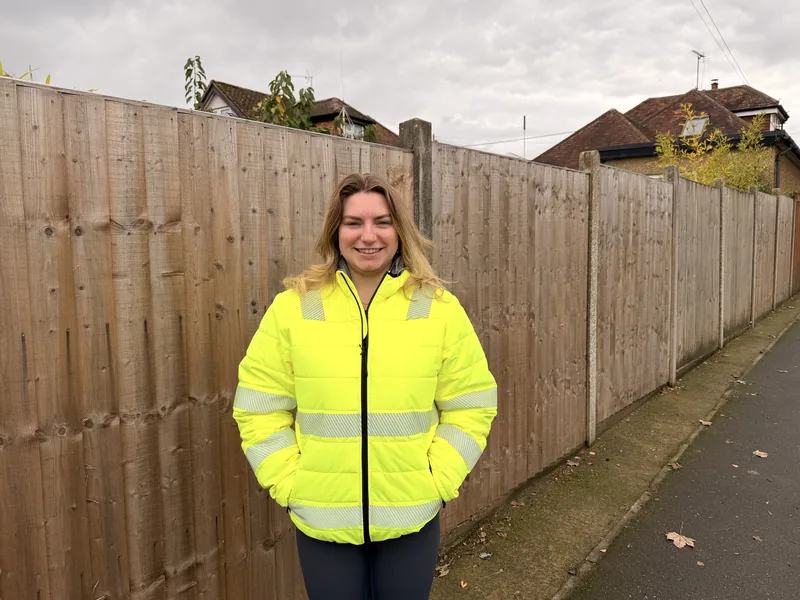
Size can do the same thing. A bigger jacket has more fabric, so a style can be Class 2 in small and medium and Class 3 from large up. If your site insists on Class 3 for everyone, check the class on the smaller sizes before you order a mixed set.
While we were adding the badges we checked every hi vis item without one. Most are things the standard doesn’t cover in the same way, like rucksacks, a bump cap and children’s vests, so they correctly don’t carry a class. The few that were simply missing it, including our Yoko hi vis vest bundles, now have it.
Your logo on hi vis
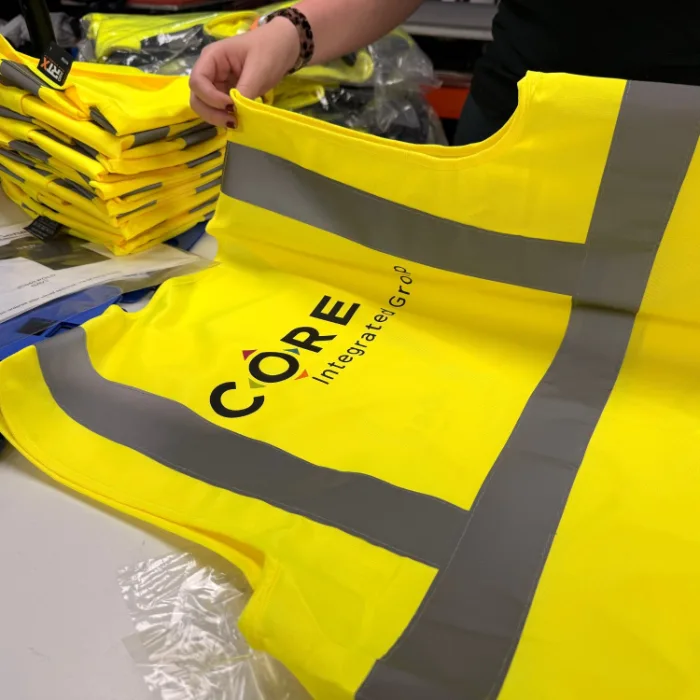
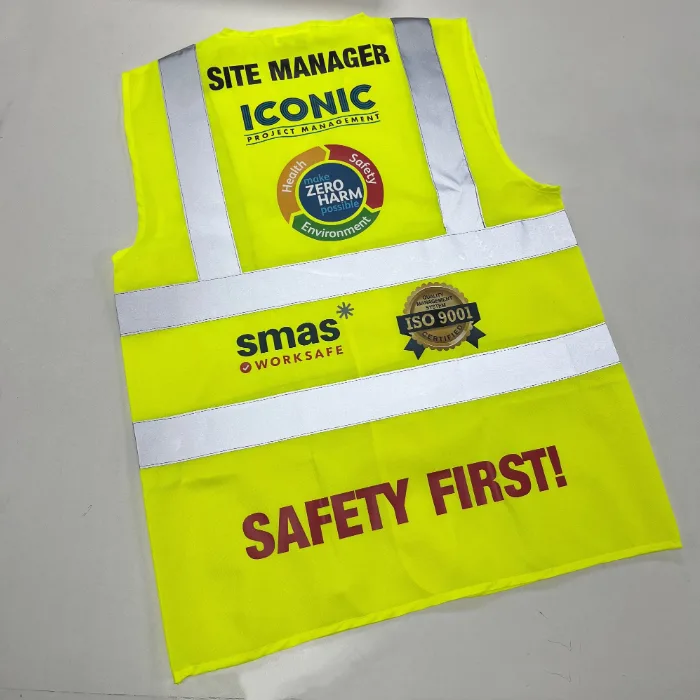
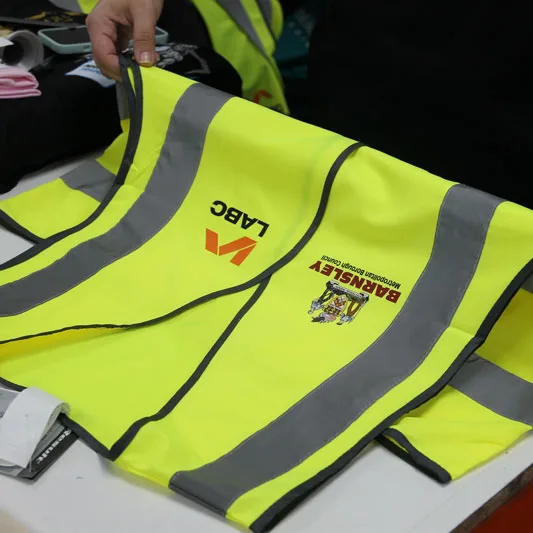
You can brand hi vis, and most of our customers do. The logo has to stay off the reflective tape and be a sensible size, because covering fluorescent fabric reduces the area the class is based on. Left chest, and a larger logo across the back between the bands, are the usual spots. On the shiny fabric most hi vis is made from, we’d usually print rather than embroider, because a print gives a really crisp finish.
If your team’s hi vis is looking tired, now’s the time to check it. Faded fabric and cracked tape mean it’s due for replacing, even if it looks fine indoors, and if it’s PPE that’s the employer’s cost. We’ve explained why in who pays for workwear and PPE.
Shop hi vis by type (every one filterable by class)


Not sure which class your sites need? Send us your site rules and we’ll pick the right garments for you.