
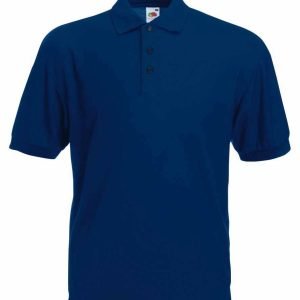
 Polo shirts
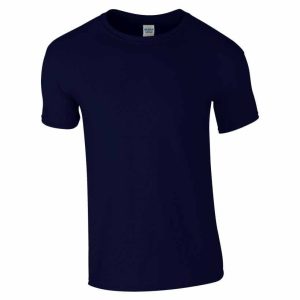 T-shirts
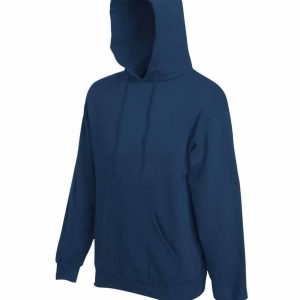 Hoodies
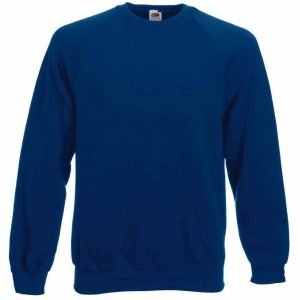 Sweatshirts
 Jackets
 Hi vis
Warm workwear for site and outdoor teams in winter
Most of the outdoor teams we kit out for winter don’t build a kit list from scratch. They pick a bundle, because that’s the whole reason we put them together: base, mid and outer layers for each person, in one order, with the logo already on.
If you’d rather build your own, the thing that decides it isn’t how cold it gets. It’s how long each person is outside without a break, and how hard they’re working while they’re out there.
Start with a bundle
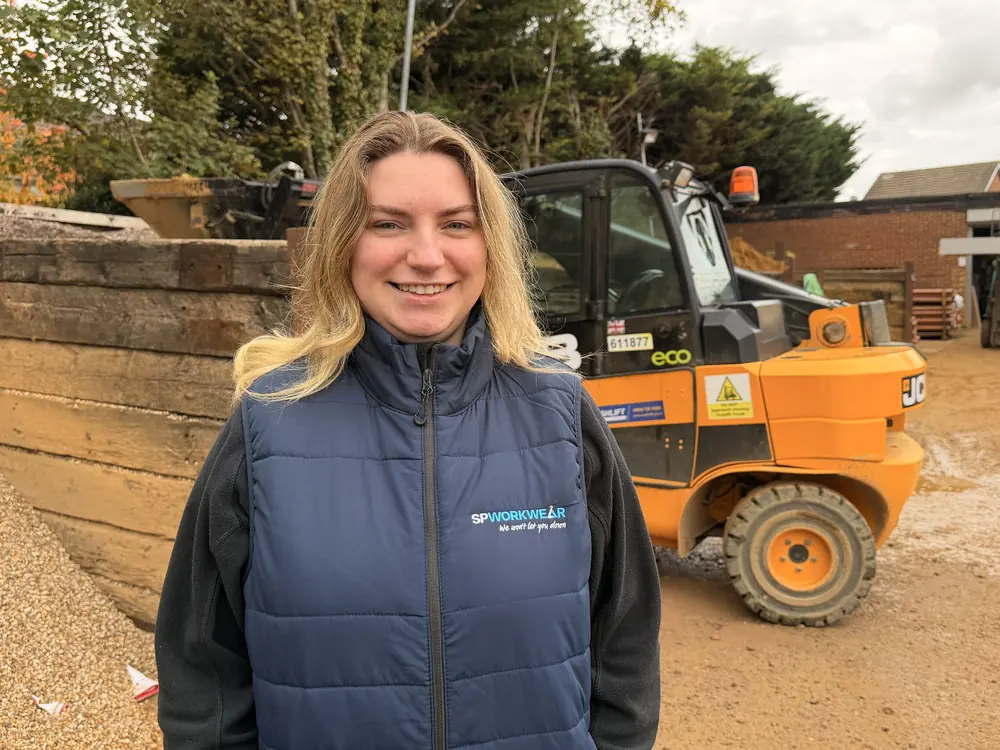
Our Solo workwear bundle is the simplest starting point. It’s one person’s complete set, so you order one per employee and everyone gets the same thing:
What one person gets in the Solo bundle
Ten garments, each with your logo embroidered on.
For winter specifically, the winter bundles are grouped by how your team works. Teams outside most of the day usually start with the outdoor and waterproof bundles: Regatta Dover jackets, padded bodywarmers and softshells in packs of six to twelve. Teams in and out of buildings and vans tend to suit the layering bundles, which lean on fleeces, zipped hoodies and lighter softshells.
If you’re building your own: two kinds of outdoor team
Most companies we work with have both of these, often on the same site.
| In and out (vans, plant rooms, buildings) | Outside most of the day (groundworks, gates, grounds) | |
|---|---|---|
| What goes wrong | Too hot inside in a big coat, so it comes off and stays off | The cold creeps in during the still parts of the shift |
| Mid layer | Fleece, hoodie or softshell they can keep on indoors | Fleece or hoodie under a padded or insulated layer |
| Outer layer | Padded bodywarmer, softshell or packable waterproof | Insulated waterproof jacket, or a 3-in-1 |
| Extras | Beanie | Beanie |
If you have both, set up two kit lists rather than one compromise that suits nobody. We’ve covered what fleece, softshell and padded fabrics are each good at in our autumn outerwear fabric guide, so we won’t repeat it here.
What actually gets reordered
When it turns cold, the reorders we see are layers: fleeces, softshells, jackets and hoodies. Usually with a full zip, so they come off easily when someone warms up. The exception is anywhere a zip gets in the way: manufacturing near heat, or removals, where a zip can scratch the furniture you’re carrying.
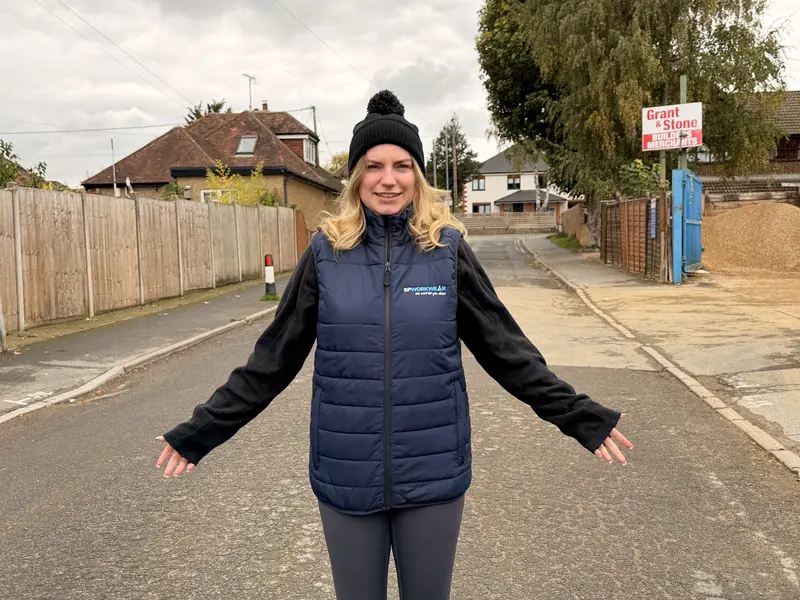
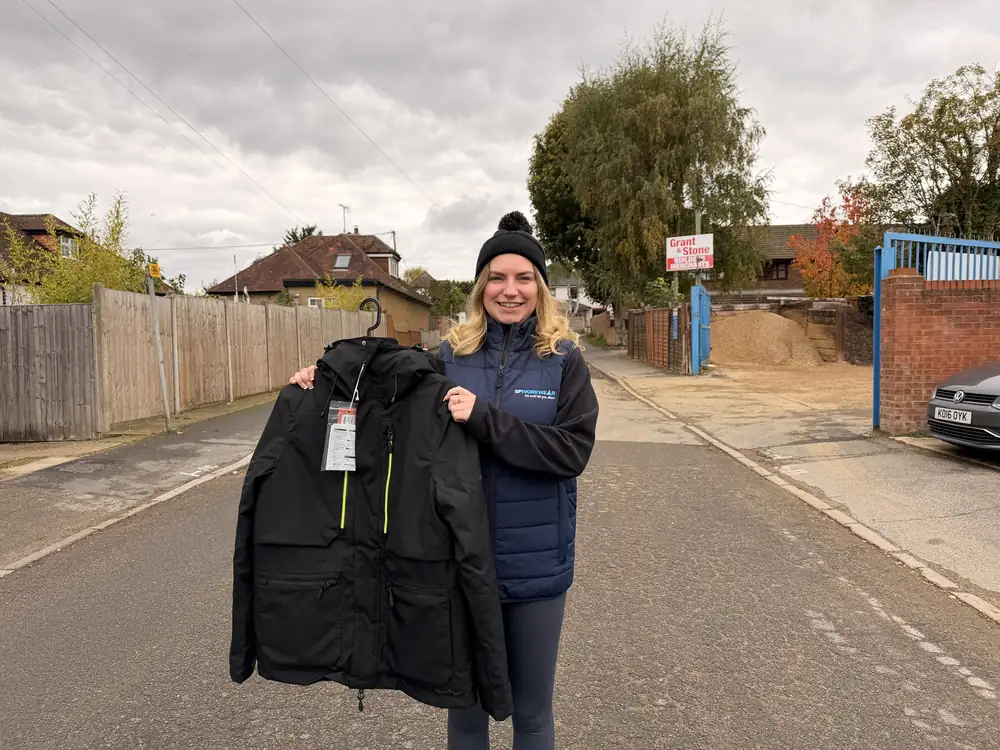
And I’d gently talk most site and warehouse teams out of a heavy parka for everyone. It’s warm, but it’s the first thing to come off when someone starts lifting, and then it lives in the van. A padded bodywarmer keeps the body warm and leaves the arms free, so it gets worn all shift.
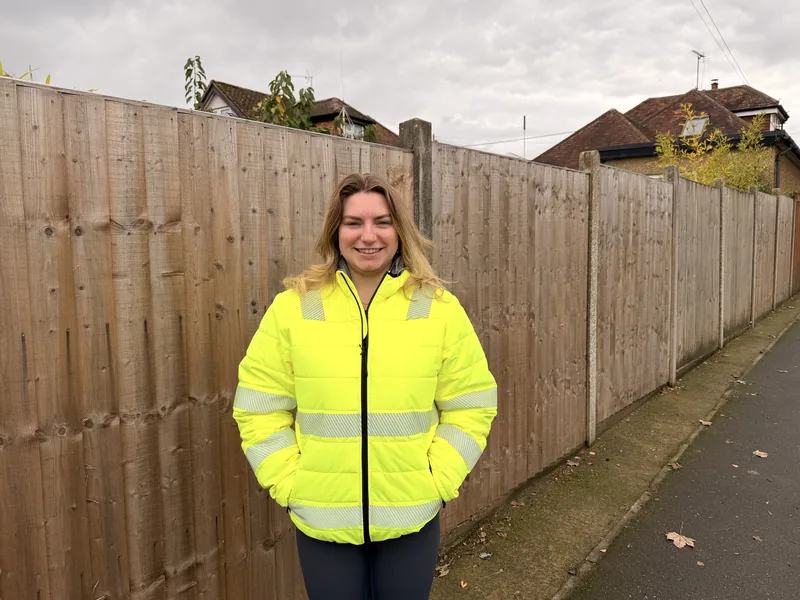
Softshells are warmer than people expect, and a 3-layer softshell adds that bit more protection while staying light enough to work in. They won’t match a proper parka on a freezing gate shift, but for most active roles they do a really good job, and they look smart. For people who need warmth some days and waterproofing on others, a 3-in-1 jacket gives you both: the inner fleece zips out.
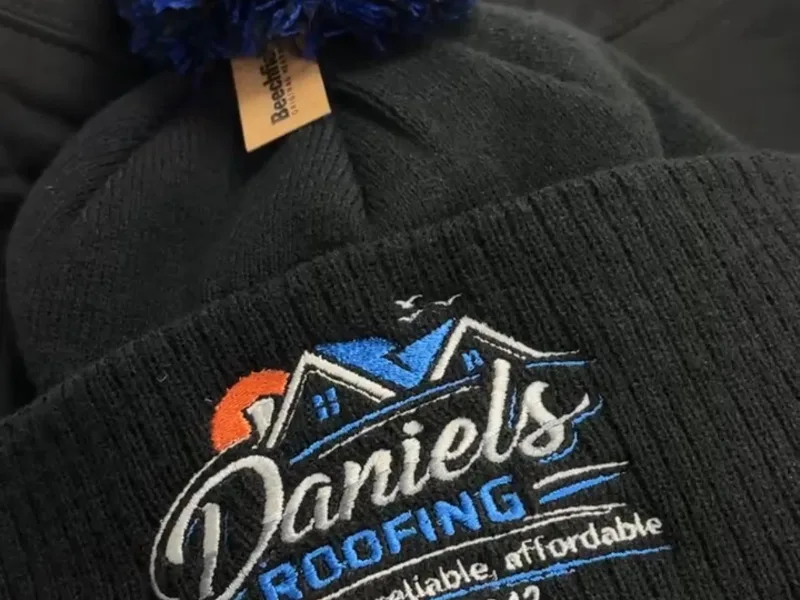
Beanies aren’t on every order, but they’re a good add-on that most people appreciate. Something like the Beechfield cuffed beanie costs little and the cuff is a natural spot for a logo.
How much per person
Work it out per role rather than per head. If we’re only talking layers, two or three mid layers and a jacket or coat is a good starting point. Anyone working somewhere mucky needs more, because things get washed more often. The Solo bundle is built on the same thinking: enough base layers for a week, and mid and outer layers that get washed far less.
When hi vis has to be the top layer
If site rules say hi vis, it has to be the outermost layer, so a vest under someone’s own coat doesn’t count. The warm layers go underneath, or the warm layer is itself hi vis. The class comes from your risk assessment; our hi vis classes guide explains them, and every hi vis jacket on our site now shows its class. If it’s PPE, it’s also the employer’s cost, which we cover in who pays for workwear and PPE.
Order before the weather turns
Get the order in before the cold arrives, not when it does. Stock rarely runs out, but production still takes time, and a team waiting a couple of weeks in the first proper cold snap is exactly what you’re trying to avoid. Plan for it running long, too: the cold doesn’t stop at Christmas, it runs well into the new year.
For a team of 30 or more across different roles or sites, our large teams page explains how we set up kit per role. Or send us the roles and headcount and we’ll suggest a winter setup.
Shop warm workwear for outdoor teams


Questions we get asked
Is a softshell warm enough for winter on site?
For most active roles, yes. Softshells are warmer than they look, and a 3-layer softshell adds extra protection while staying light enough to work in. For someone standing still outside all day in real cold, an insulated jacket or a bodywarmer underneath does better.
Can you put our logo on a padded jacket or a 3-in-1?
Yes. We’d usually suggest embroidery, especially on 3-in-1s, because a print can sometimes react with the fabric. Branding is one position as standard, so if you want the outer jacket and the inner fleece both branded, tell us and we’ll add the second position.
Do waterproof jackets keep you warm?
Only if they’re lined or insulated. A plain waterproof shell is designed to keep you dry, not warm. The Regatta Dover is fleece lined, which is why it’s one of our best sellers for outdoor teams. Our waterproof vs water-resistant guide explains what to look for on the label.