Uniform Ordering Portals for Growing Teams
Ordering workwear usually starts out simple.
Someone places an order, the team wears it, and when more items are needed, the same thing happens again. For small teams, that approach often works well enough.
As businesses grow, however, workwear ordering tends to change. Orders become more frequent, more people get involved, and the same decisions are revisited over and over again. What once felt manageable can start to feel repetitive, time-consuming, and harder to keep consistent.
Why Workwear Ordering Becomes Harder Over Time
In growing teams, workwear ordering rarely fails because people aren’t organised. It usually struggles because the process hasn’t evolved alongside the business.
Common signs include:
- Re-ordering from scratch every time
- Different people handling workwear at different points
- Uncertainty over what was ordered previously
- Last-minute orders becoming the norm
- Inconsistent garments or branding creeping in
When workwear becomes a recurring operational task rather than an occasional purchase, informal processes start to break down.
What a Uniform Ordering Portal Actually Is
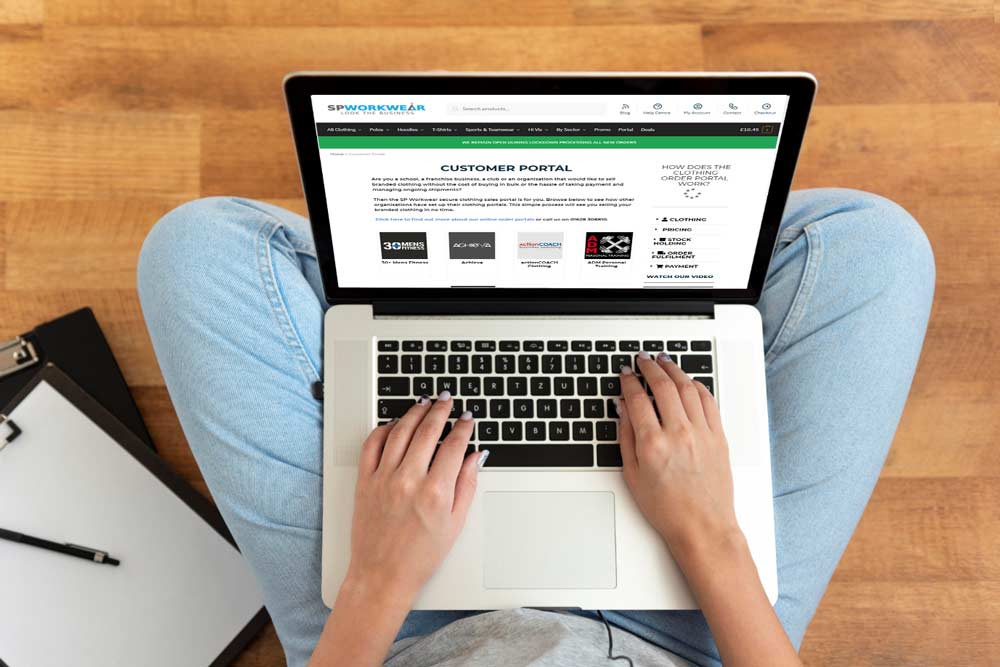
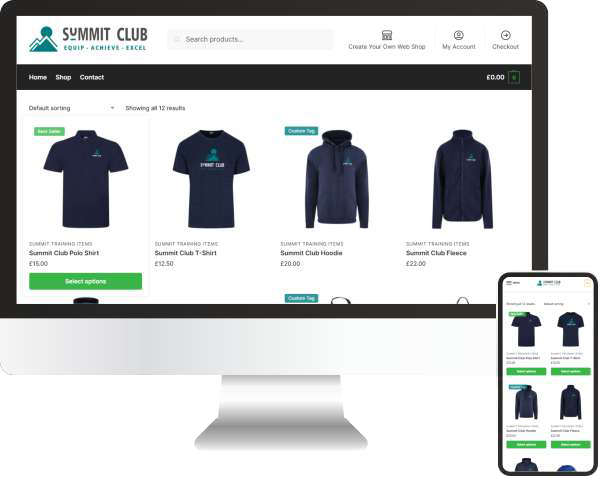
A uniform ordering portal is a dedicated, branded online system that allows a business to manage its workwear in a consistent, repeatable way.
Instead of placing ad-hoc orders each time, a portal provides:
- A central place for approved garments
- Consistent branding and decoration
- A simple way for teams to re-order what’s already been set up
The key difference is that decisions are made once, then reused, rather than re-decided on every order.
What Problems a Portal Is Designed to Solve
Uniform ordering portals are typically a good fit
for businesses that:
- Have 30+ staff in uniform
- Manage multiple sites or departments
- Deal with regular new starters or seasonal hires
- Spend time chasing sizes, approvals, or repeat orders
- Want uniform ordering to run quietly in the background
As teams grow, uniform ordering often becomes fragmented.
This usually shows up as:
- Long email threads
- Items ordered without approval
- Confusion over sizes or colours
- Inconsistent uniform across teams
- Admin landing on someone’s desk by default
Uniform ordering portals are designed for businesses where workwear ordering has become repetitive.
They typically help with:
Repeat ordering
Re-ordering no longer means starting again. Garments, colours, logos, and placement are already defined.
New starters and leavers
When someone joins the team, the correct items can be ordered quickly without guessing or checking past invoices.
Multiple teams or sites
Portals help maintain consistency across different roles, locations, or departments while still allowing for variation where needed.
Reducing reactive “top-up” stress
Instead of each top-up order feeling urgent or disruptive, portals make small, regular orders easier to manage.
How a Portal Works (At a High Level)
While every portal is configured slightly differently, the principle is simple:
- Approved garments are set up once
- Branding is applied consistently
- Users order from a pre-approved range
- Repeat orders take minutes rather than hours
Portals can also support:
- Role-based access
- Approved product ranges
- Clear ordering structure
The goal isn’t complexity, it’s removing unnecessary repetition.
Who Uniform Ordering Portals Are Best Suited To
Uniform ordering portals work best for businesses that:
- Order workwear regularly, not just once
- Have growing or changing teams
- Want consistency without constant oversight
- Prefer structure over reactive ordering
They are typically used by:
- Operations and facilities teams
- HR teams managing starters and leavers
- Office managers coordinating orders
- Business owners who want fewer admin headaches
Who Portals Are Not Always Right For
Portals are not always the best solution for:
- One-off or infrequent orders
- Very small teams with no repeat needs
- Situations where workwear ordering is unlikely to continue
In those cases, a simpler ordering approach is often more appropriate.
This distinction matters, because portals are designed to support ongoing use, not occasional orders.
How Portals Fit With Bundles and Pricing
Portals often work alongside structured workwear bundles, where sets of garments are defined for specific roles or teams.
Bundles simplify what gets ordered, while portals simplify how it gets ordered.
Portals also work best when pricing is considered over time rather than per individual order. For businesses ordering regularly, this approach supports flexibility without penalising necessary top-ups.
Beyond Uniforms: Merchandise and Organisation Portals
While most uniform ordering portals are built for internal team use, some organisations also use portals for other purposes, such as:
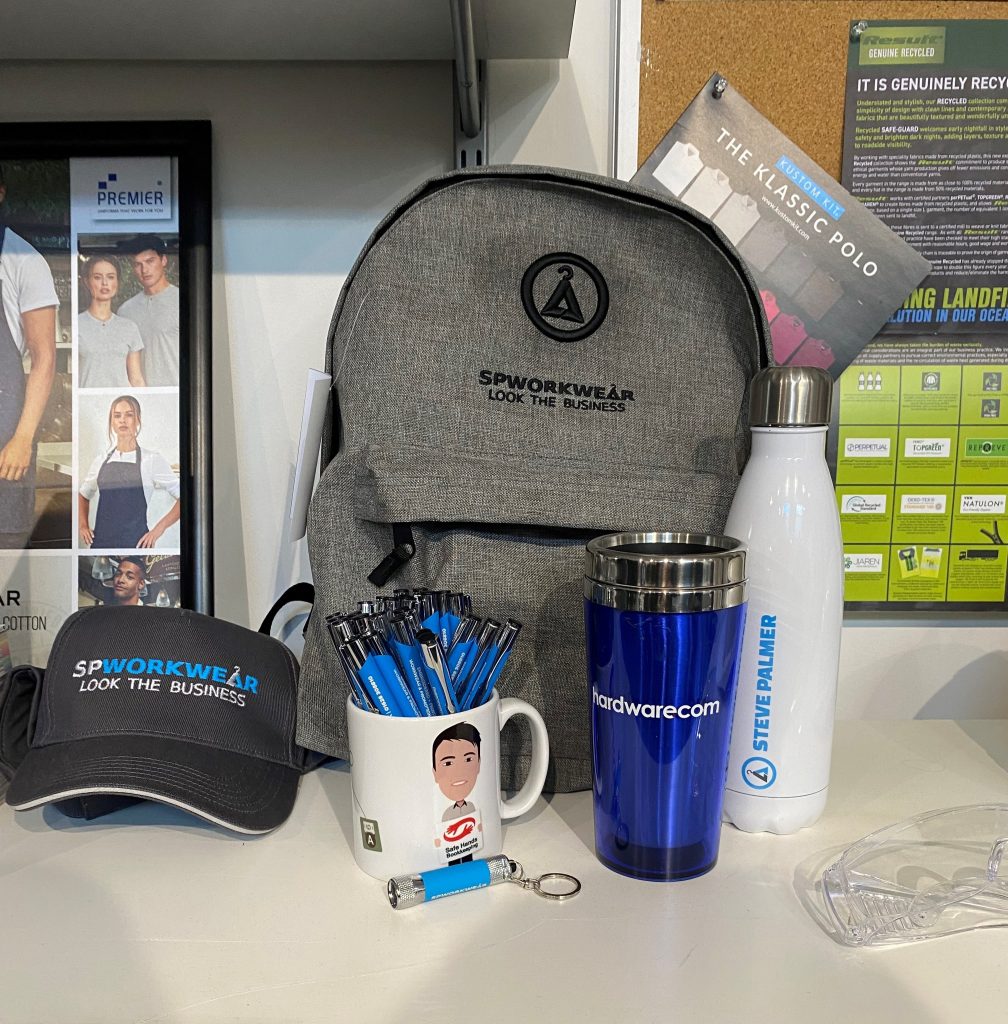
- Leavers’ or staff merchandise
- Event clothing
- Organisation-wide branded items
These use cases are typically handled slightly differently, but follow the same core principle: simplifying repeat ordering through a structured system.
Is a Uniform Ordering Portal Right for Your Business?
A portal isn’t about adding another system for the sake of it. It’s about recognising when workwear ordering has become a recurring process rather than a one-off task.
For businesses ordering regularly, a portal often becomes a quiet but valuable piece of infrastructure: reducing admin, improving consistency, and making workwear easier to manage as the business grows.
If you’re unsure whether a portal makes sense for your team, a short conversation is usually enough to find out.
Some businesses already know a portal is the right next step.
If that’s the case, you can apply for a portal setup here. We’ll review the details and confirm whether a portal is suitable for your team and expected usage.
⭐ ⭐ ⭐ ⭐ ⭐
Frequently Asked Questions
What is a uniform ordering portal?
Who is a portal best suited to?
Can we control what people are allowed to order?
Do portals work for multiple sites or departments?
How does a portal help with new starters?
Is a portal still useful if we place smaller “top-up” orders?
Yes. Portals are particularly helpful when orders happen frequently, even if individual orders are small, because they remove repeated decisions and reduce the admin overhead of each top-up.