Workwear bundles are often misunderstood.
Some see them as a sales tactic. Others assume they’re simply a way to push more items at once. In reality, bundles exist because ordering individual items repeatedly becomes harder to manage as businesses grow.
Bundles aren’t about buying more. They’re about creating structure. When garments, branding and quantities are grouped deliberately, repeat ordering becomes simpler, more consistent and easier to manage over time.
This guide explains what workwear bundles actually are, why so many suppliers use them, how they reduce friction for growing teams, and when they make practical sense.
Why Workwear Ordering Gets Harder As Businesses Grow
When teams are small, ordering workwear item by item usually works fine.
There are fewer people, fewer roles, and fewer decisions to make. Someone remembers what was ordered last time, and repeating it feels straightforward.
As teams grow, that approach starts to struggle:
- Orders happen more frequently
- Different roles need different garments
- More people are involved in decisions
- Details are spread across emails, invoices, and conversations
At this point, workwear stops being a one-off task and becomes an ongoing operational responsibility, even if it’s still treated like something ad-hoc.
Bundles exist because this level of repetition doesn’t scale.
What A Workwear Bundle Actually Is
A workwear bundle is a pre-defined set of garments designed around a specific role, team, or use case.
Instead of choosing items individually for every order, a bundle establishes:
- Which garments are used
- Which colours are approved
- How logos are applied
- Which items work together
Those decisions are made once and reused.
Bundles don’t remove choice, they remove repetition.
What Typically Goes Into A Workwear Bundle
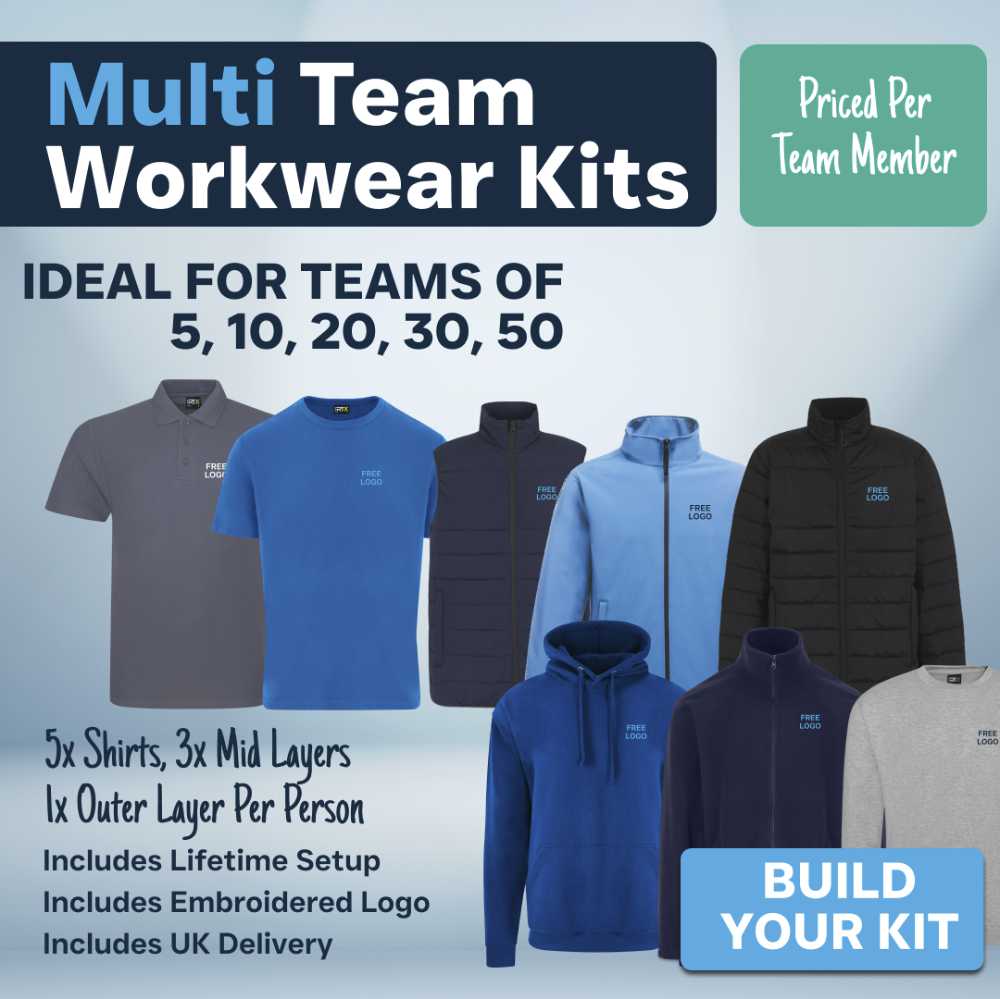
Most bundles include a small number of core items rather than a single garment.
Common examples include:
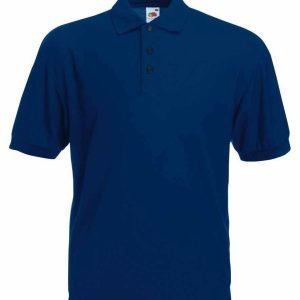
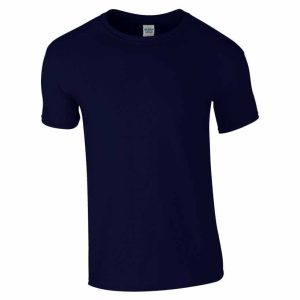
- T-shirts or polos for daily wear
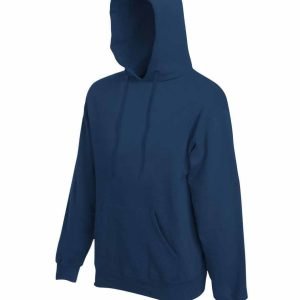
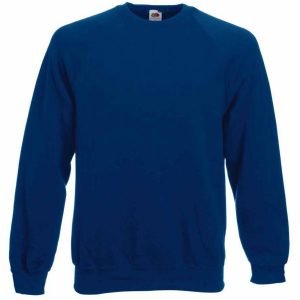
- Hoodies, fleeces, or softshells for warmth
- Jackets or outerwear for outdoor roles
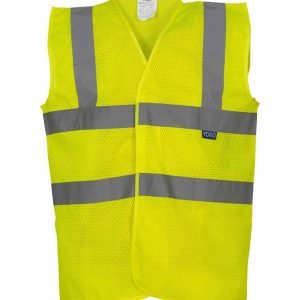
- Hi-vis or safety garments where required
The exact mix depends on how people actually work, not on marketing labels. A good bundle reflects real-world use, not ideal scenarios.
This is why bundles are often role-specific rather than universal.
Why There Are Often Multiple Bundles, Not Just One
From the outside, multiple bundles can look unnecessary or confusing.
In practice, they exist because one size rarely fits all.
Different teams have different needs:
- Office vs site-based staff
- Full-time vs occasional wear
- Seasonal requirements
- Safety or compliance differences
Trying to force everything into a single bundle usually creates compromise. Multiple bundles allow businesses to standardise without oversimplifying.
This approach maintains consistency while still respecting how different roles actually operate.
Why So Many Workwear Suppliers Offer Bundles
Bundles don’t just help customers, they exist because they solve real operational problems on both sides.
For customers, bundles:
- Reduce decision fatigue
- Speed up ordering
- Make repeat orders easier
- Improve consistency
For suppliers, bundles:
- Reduce back-and-forth
- Minimise errors
- Simplify production
- Improve reliability
This isn’t about pushing volume. It’s about removing friction from a process that otherwise becomes repetitive and error-prone.
How Bundles Help With Repeat Ordering
One of the biggest advantages of bundles is how well they support repeat orders.
Instead of reconstructing an order every time, businesses can:
- Re-order approved sets
- Add new starters quickly
- Top up sizes without rechecking everything
- Maintain consistency even when responsibility changes
Bundles turn workwear ordering from a series of decisions into a repeatable action.
How Bundles Reduce The Impact Of “Just Topping Up”
Reactive top-ups are a common source of friction as teams grow.
Bundles reduce that friction by providing a clear reference point. When someone needs clothing, there’s no need to decide what to order — it’s already defined.
This makes top-ups:
- Faster to place
- Easier to manage
- Less prone to inconsistency
Combined with pricing models that reward repeat spend over time, bundles help businesses stay flexible without feeling penalised for small, necessary orders.
How Bundles Work With Spend-Based Pricing
Bundles and spend-based pricing naturally complement each other.
Bundles standardise what is ordered.
Spend-based pricing rewards how businesses order over time.
Instead of being pushed to place large one-off orders, businesses can:
- Order what they need, when they need it
- Maintain consistency through bundles
- Benefit from improved pricing as total spend increases over a rolling period
This approach supports growth without forcing artificial buying decisions.
What Bundles Are Not
To avoid confusion, it’s worth being clear about what bundles aren’t.
Bundles are not:
- A way to lock customers into rigid choices
- A requirement to over-order
- A replacement for flexibility
They’re simply a framework that removes unnecessary repetition while preserving choice where it actually matters.