

“Let’s just top up a few items.”
It sounds sensible. A couple of new starters, a size change, or a short-term requirement. Ordering only what’s needed feels efficient, flexible and cost-conscious.
In the early stages of a business, this approach usually works well. But as teams grow, frequent top-up orders can quietly introduce friction, inconsistency and repeated admin.
This guide explains why reactive ordering becomes less efficient over time, how small top-ups affect pricing and continuity, and what changes when uniform ordering is structured rather than repeated from scratch.

Why Topping Up Feels Like the Sensible Option
In the early stages of a business, topping up workwear makes complete sense.
Teams are small. Orders are infrequent. Decisions are easy to remember. Ordering little and often feels practical and low risk.
As businesses grow, that same habit tends to continue, even though the context has changed. What once worked smoothly begins to feel slightly harder each time, without there being an obvious single cause.
That’s usually the first sign that topping up has shifted from being a convenience to becoming a pattern.

What Actually Happens During a “Small” Workwear Order
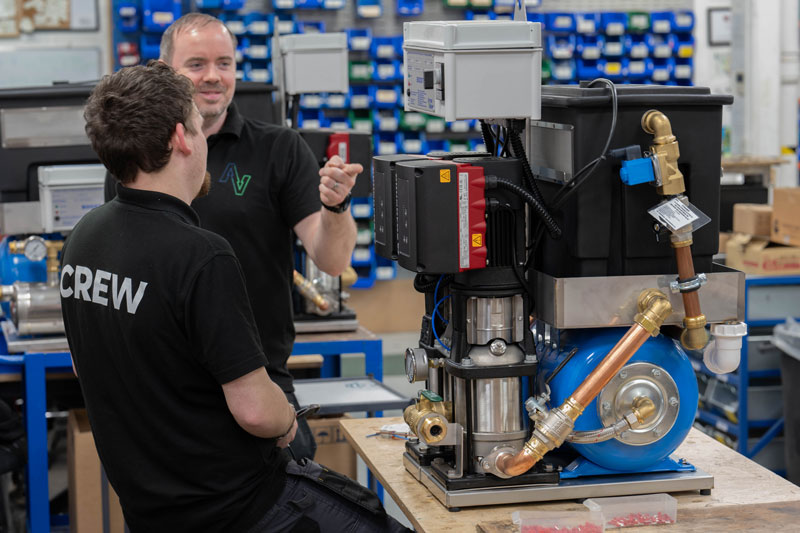
Even a small workwear order involves more than placing a quick request.
Behind the scenes, it usually includes:
- Confirming garments, colours, and sizes
- Checking artwork versions and logo placement
- Setting up production
- Running quality checks
- Managing admin, delivery, and invoicing
None of these steps disappear just because an order is small. They still take time and coordination, often involving multiple people.
This is where the hidden cost of topping up starts to build.
The Admin Overhead of Frequent Top-Up Orders
One top-up order isn’t a problem.
The issue is repetition.
As top-ups become more frequent, businesses often find themselves:
- Repeating the same conversations
- Re-checking decisions that were already made
- Pulling information from old emails or invoices
- Interrupting other priorities to deal with “quick” orders
Each individual order feels manageable. Collectively, they consume far more time and attention than expected.
This is especially noticeable when responsibility for workwear moves between people or departments, and context has to be re-established every time.

Why Reactive Ordering Increases Risk and Inconsistency
Top-up orders are often placed under mild pressure.
Someone needs something soon. A size is missing. An event has appeared. The focus shifts from consistency to speed.
In those moments, shortcuts are more likely:
- “This should match what we ordered last time”
- “That logo version will be fine”
- “This is close enough”
Over time, these small compromises can lead to variation in garments, colours, and branding, even when no one intended to change anything.
The inconsistency doesn’t come from carelessness. It comes from urgency combined with a lack of clear reference points.
The False Economy of Small, Frequent Workwear Orders
Topping up often feels cost-effective because you’re only buying what you need.
But when you factor in:
- Repeated admin time
- Repeated setup and checks
- Increased decision fatigue
- Greater chance of error
The overall cost is often higher than it first appears, just not always visible on an invoice.
This is where many businesses start to feel that workwear is “more effort than it should be”, even though each individual order seems reasonable.

How Spend-Based Pricing Changes the Impact of Top-Up Orders
Traditional workwear pricing models are usually based on quantity per order. That means small top-up orders often attract a higher per-item cost, even when a business orders regularly over time.
This is one of the reasons topping up can feel inefficient, not just operationally, but financially.
A spend-based pricing model works differently.
Instead of judging each order in isolation, pricing is linked to total spend across a rolling 12-month period. As businesses place repeat orders over time, they move into better pricing bands regardless of whether individual orders are large or small.
For growing teams, this changes the dynamic completely.
Top-up orders stop being “penalised” simply because they’re small. Pricing reflects the ongoing relationship rather than a single transaction, which makes frequent, necessary orders easier to plan and less frustrating.
This approach is particularly useful for businesses that:
- Hire regularly
- Need to adjust sizes or roles
- Place multiple smaller orders throughout the year
For growing teams, this changes the dynamic completely…

Top-up orders stop being “penalised” simply because they’re small. Pricing reflects the ongoing relationship rather than a single transaction, which makes frequent, necessary orders easier to plan and less frustrating.
This approach is particularly useful for businesses that:
- Hire regularly
- Need to adjust sizes or roles
- Place multiple smaller orders throughout the year
Why This Becomes More Noticeable As Teams Grow
Growth doesn’t just increase headcount. It increases complexity.
More people usually means:
- More size changes
- More role-specific clothing
- More frequent onboarding
- More stakeholders involved
At this stage, reactive top-ups stop being an occasional task and become a regular operational interruption.
The problem isn’t the size of the orders. It’s the frequency and lack of structure around them.

What a More Proactive Approach Looks Like
Businesses that reduce the impact of top-up ordering don’t necessarily order more. They order more deliberately.
That usually involves:
- Anticipating regular requirements
- Reusing agreed specifications
- Reducing ad-hoc decisions
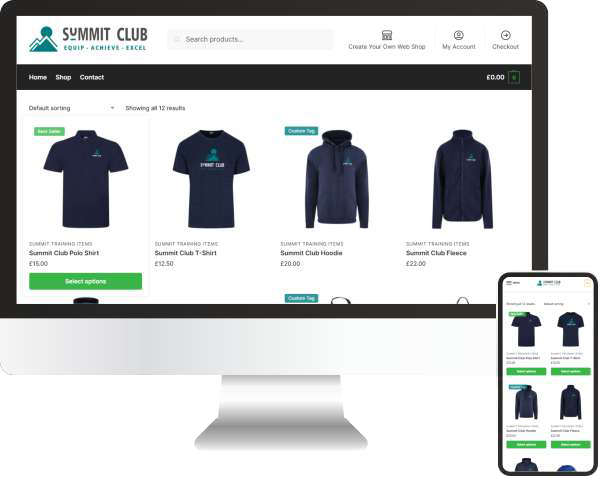
- Treating workwear as an ongoing requirement rather than a series of isolated orders, with pricing that reflects that continuity
This shift doesn’t remove flexibility. It removes unnecessary repetition.